


DORA is pleased to announce the launch of the Portuguese translation of the Practical Guide to Implementing Responsible Research Assessment at Research Funding Organizations (RFO Guide – download here). Developed to support research funders in implementing Responsible Research Assessment (RRA), the guide provides practical strategies for aligning funding policies and evaluation processes with research quality, equity, integrity, openness, and societal impact. As global momentum for RRA continues to grow, the Portuguese translation will help funding organizations across the Lusophone world adapt these principles to their own institutional, cultural, and policy contexts. Back in December 2026, we officially launched the Portuguese translation of the Practical Guide for Implementing Responsible Research Assessment in Research Performing Organizations (Practical Guide for RPOs – download here) and the accompanying White Paper, Navigating the Transition: Responsible Research Assessment in the Main Universities of the State of São Paulo (download here).
Language is a powerful tool for translating global advocacy into local action. While the principles of Responsible Research Assessment (RRA) have gained massive international traction, their implementation relies entirely on the ability of local communities to adapt them to their unique institutional, cultural, and political realities. This is why DORA is thrilled to celebrate the official launch of the Portuguese translation of the Practical Guide to Implementing Responsible Research Assessment at Research Funding Organizations (RFO Guide).
The Portuguese edition of the guide—co-developed by DORA, the Global Research Council (GRC) RRA Working Group, and Science Europe launched originally in English in May 2026—was launched on July 29, 2026, at the III Encontro da Comunidade Métricas hosted by the Escola Superior de Agricultura Luiz de Queiroz (ESALQ/USP) in Piracicaba, Brazil. The rapid translation was made possible through a continued partnership with Projeto Métricas, coordinated by Professor Jacques Marcovitch and supported by the São Paulo Research Foundation (FAPESP).
Organized by Projeto Métricas as part of ESALQ’s 125th anniversary celebrations, the launch was part of a larger meeting that brought together research managers, data professionals, university leaders, and representatives of funding agencies from across Brazil and other Lusophone countries. Under the thematic banner of “Public Universities: Challenges 2026–2030”, the event’s primary discussions focused on the future of research assessment, the responsible use of artificial intelligence, and the development of multidimensional approaches to evaluating the scientific, social, economic, and environmental contributions of research. Against this backdrop, the launch of the Portuguese RFO Guide provided a timely opportunity to explore how funding organizations can help align research assessment practices with broader goals related to quality, integrity, openness, equity, and societal impact.
By providing Lusophone funding agencies, university administrators, and research managers with a common vocabulary and actionable strategies, this translation empowers not only the vibrant community of Projeto Métricas of nearly 700 professionals across Brazil, Angola, Mozambique, and Portugal, but also communities in other Portuguese-speaking countries to drive systemic change.
Fotos by Gerhard Waller e Denise Guimarães/Comunicação Esalq.
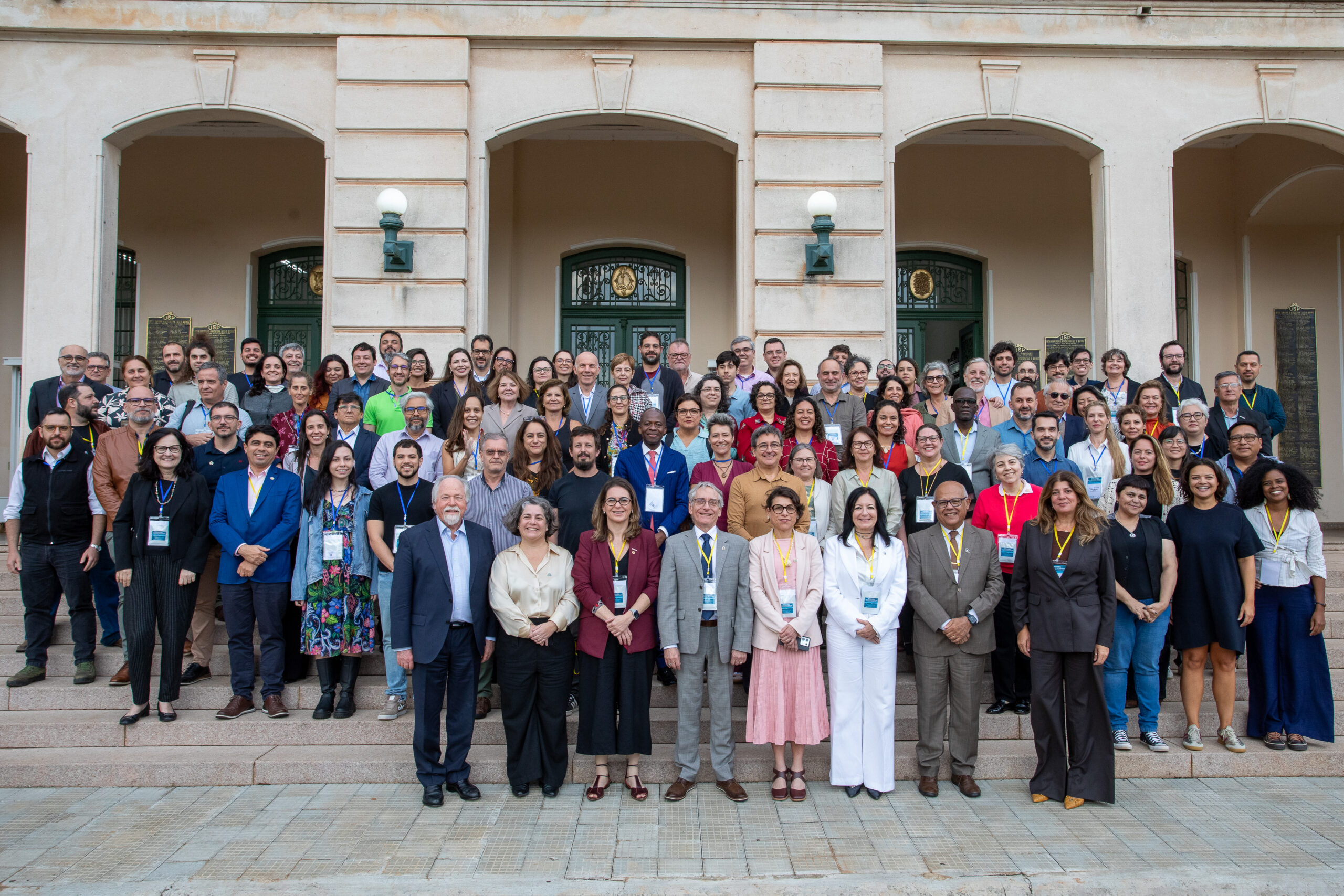
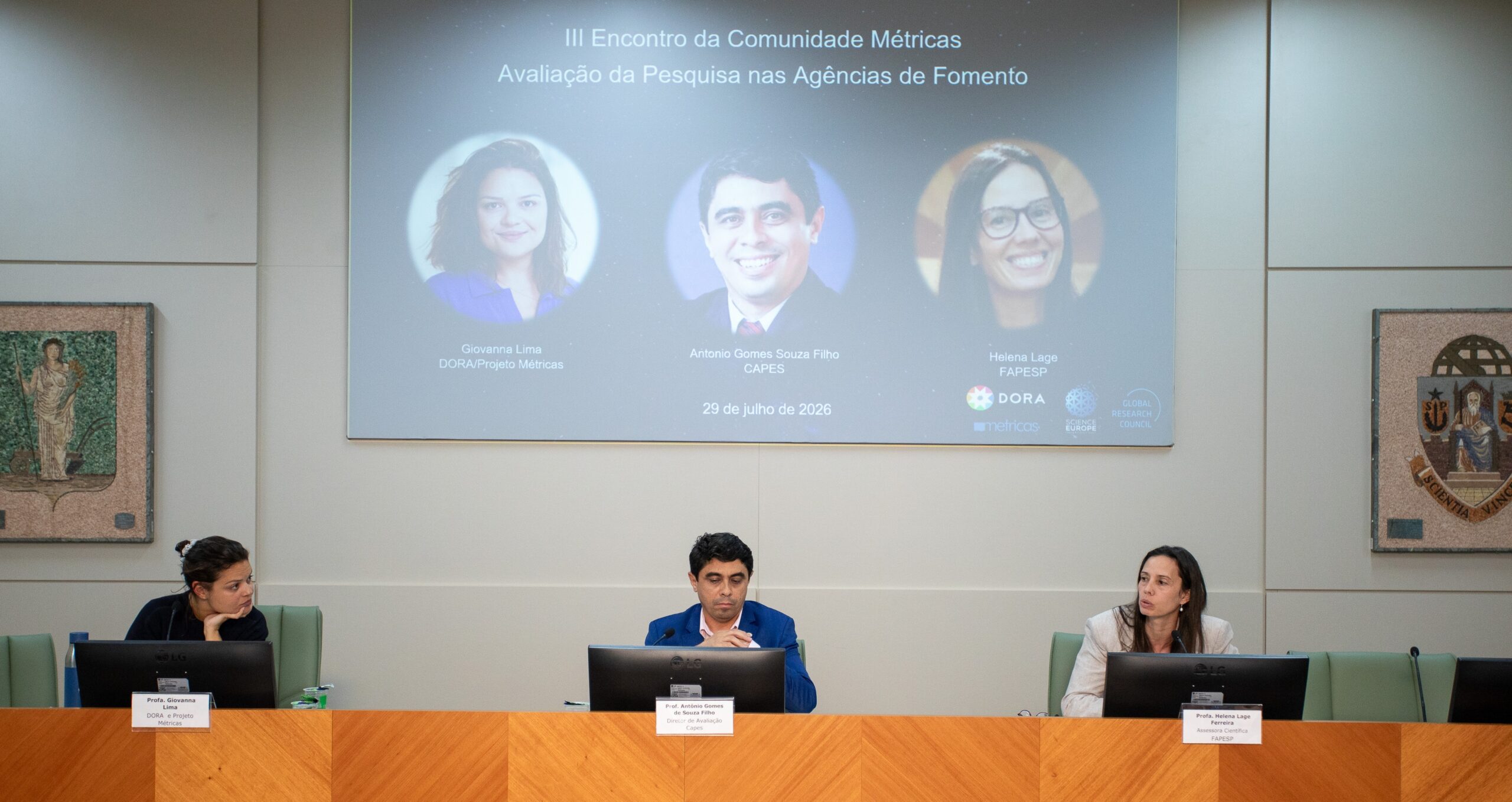
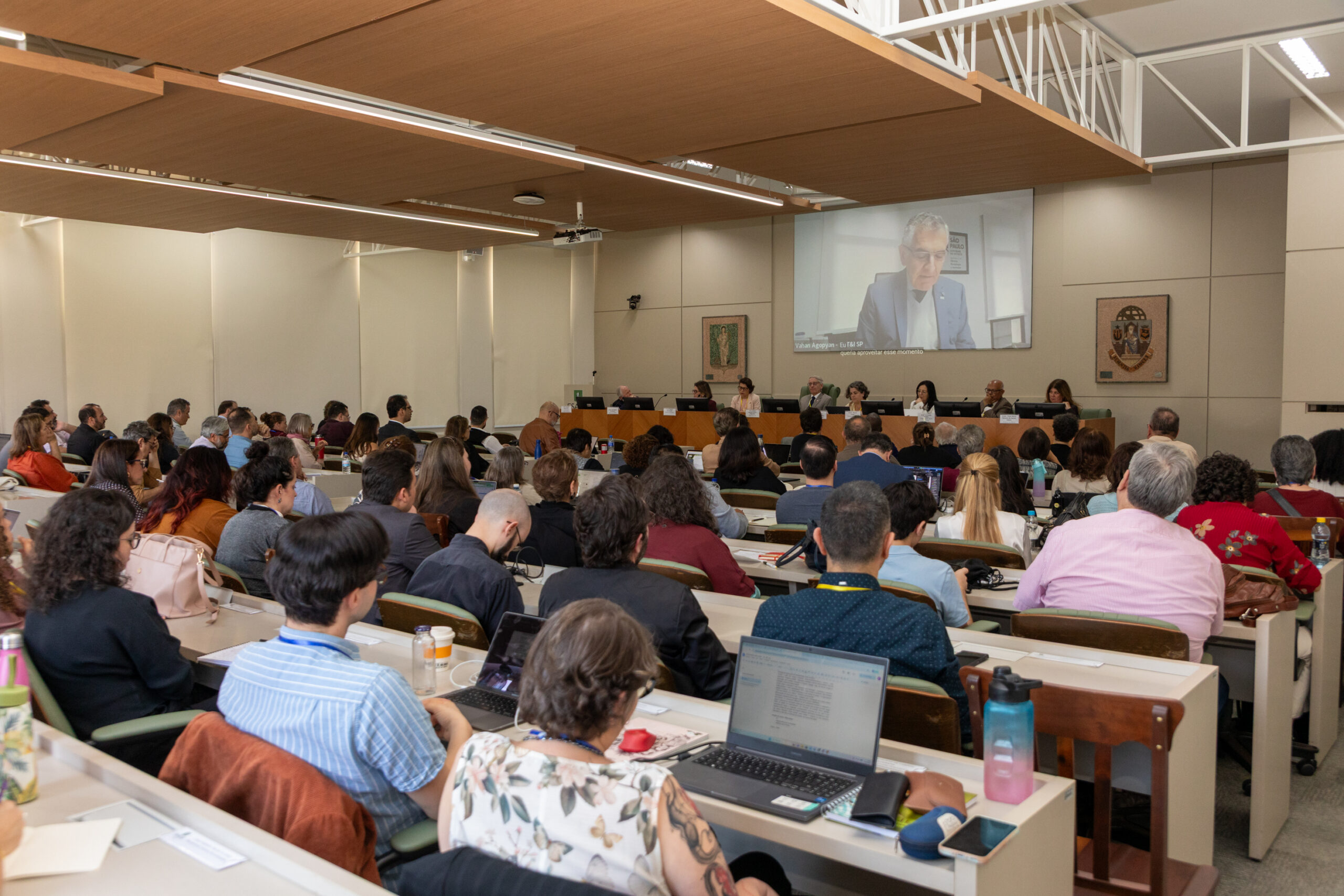
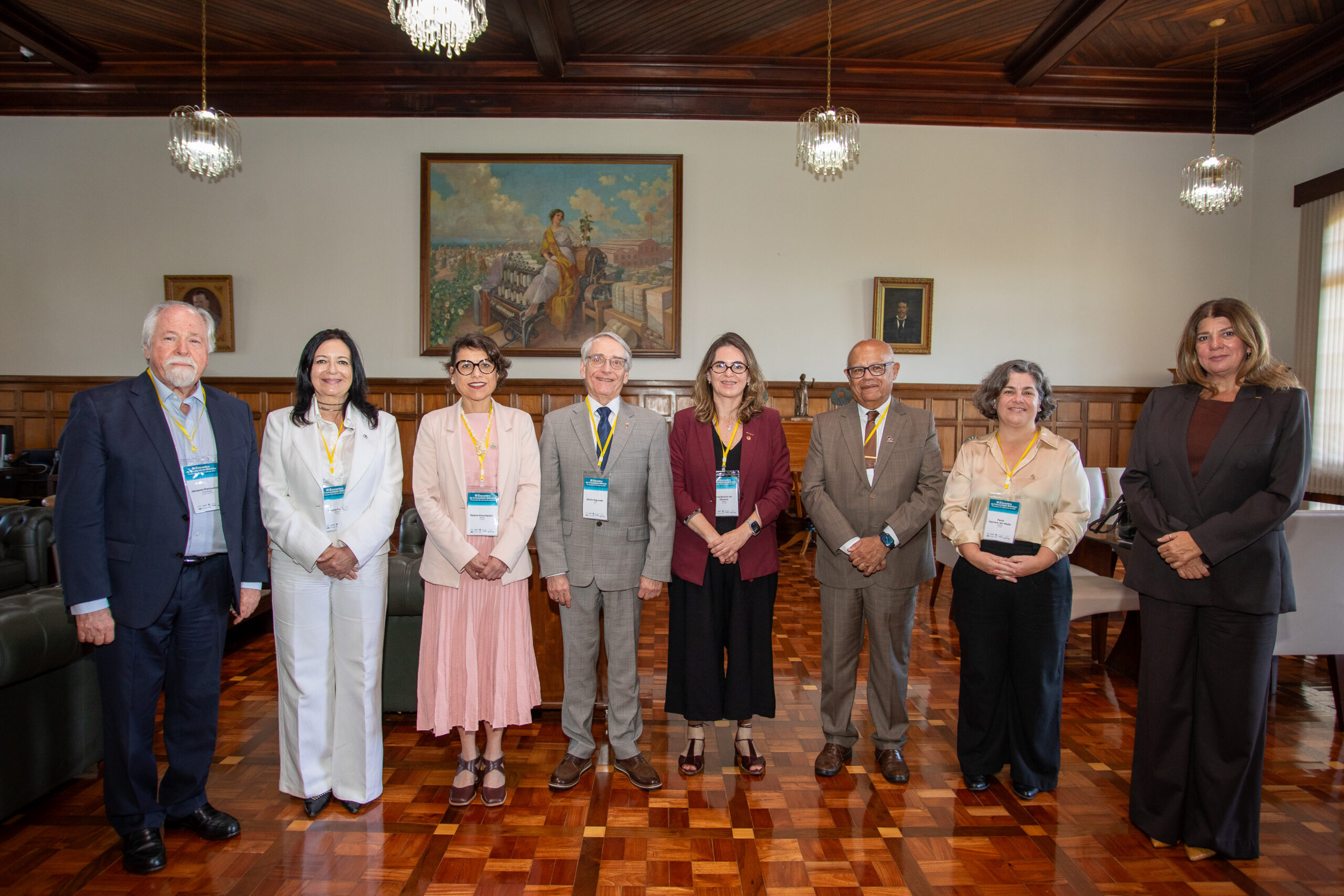
To mark the launch, DORA convened a panel featuring leaders from two of Brazil’s most influential evaluation agencies: CAPES and FAPESP. The discussion highlighted how these institutions are expanding their assessment toward more holistic, multidimensional approaches to evaluating research quality, impact, and relevance.
CAPES: Shifting Incentives and Embracing Cultural Evolution
As the federal agency responsible for evaluating Brazil’s expansive postgraduate system, CAPES has integrated RRA as a conceptual pillar for its upcoming evaluation cycles. Professor Antônio Gomes de Souza Filho (Director of Evaluation at CAPES) emphasized that reforming academic evaluation is fundamentally a cultural challenge that requires participatory governance:
“The history of evaluation at CAPES and the principles of the guide teach us that the change we seek in science is, essentially, a cultural change. Because it is cultural, it is slow, difficult, and often frustrates us when we achieve only incremental changes. However, the core message is that research assessment only produces real transformations when it is carried out in a participative and shared way.”
He further detailed how CAPES is de-emphasizing simple quantitative indicators in favor of quality and relevance:
“We are distancing ourselves from simple quantitative metrics. More and more, our evaluation areas are incorporating other variables that qualify production… Today, some areas no longer require total output and only evaluate a small, highlighted selection. This is a very significant step forward, aligned with the principles of responsible assessment.”
Crucially, Gomes de Souza Filho stressed the importance of respecting university autonomy in this transition:
“The institution must exercise its academic autonomy… In the near future, postgraduate programs must make use the autonomy to define their own strategies and directions based on their infrastructure and faculty, without being mostly guided by CAPES’s evaluation expectations. The program does not belong to the agency.”
FAPESP: validating true excellence through narrative and rigor
FAPESP has been at the forefront of implementing qualitative assessment tools in São Paulo, most notably through its narrative-style curriculum summary (súmula curricular). Professora Helena Lage (representing FAPESP’s Scientific Directorate) discussed how prioritizing qualitative evaluation strengthens, rather than dilutes, scientific rigor:
“Adopting a qualitative evaluation does not exclude research excellence… FAPESP utilizes the ‘súmula curricular,’ where the researcher presents a narrative and selects three to five principal products, which do not necessarily have to be scientific articles. The evaluation areas are fully aware that this narrative must be valued.”
However, transition is not without its obstacles. Lage highlighted that while qualitative evaluation is harder work, discussion and alignment allow the agency to better assess the true impact and relevance of research.
Looking ahead, Lage also highlighted emerging questions around generative artificial intelligence and research evaluation. FAPESP is currently developing guidance on the responsible use of AI within research funding processes, including safeguards to preserve confidentiality and the integrity of peer review.
Throughout the discussion, participants emphasized that responsible research assessment should not be viewed as a standalone reform effort. Rather, it is closely connected to broader priorities including open science, research integrity, equity, interdisciplinarity, and societal impact, as discussed in Chapter 4 of the Guide.
As discussed during the launch, changing research assessment can create stronger incentives for behaviors that advance these agendas, helping align individual researcher incentives with the long-term interests of science and society. For instance, when assessment frameworks value qualitative contributions and diverse scholarly outputs, researchers are no longer penalized for investing time in open data curation or public engagement.
Connecting to a broader global agenda
The Guide provides a practical roadmap for funders seeking to embed responsible research assessment throughout the funding lifecycle, from program design and funding calls to decision-making processes, award management, monitoring, evaluation, and community engagement. By focusing on these intervention points, funding organizations can align their assessment practices with broader goals related to research quality, openness, integrity, equity, and societal impact.
This launch builds on a long-term collaboration between DORA and Projeto Métricas, coordinated by Professor Jacques Marcovitch. The partnership originated in 2022, when Projeto Métricas received a DORA Community Engagement Grant to foster discussions on responsible research assessment within the Brazilian research ecosystem. Since then, the collaboration has brought together researchers, research managers, evaluators, and institutional leaders through a series of workshops, publications, and community-building activities focused on advancing research assessment reform.
In 2025, these efforts culminated in a series of co-creative workshops, the publication of a White Paper on research assessment reform in São Paulo’s public universities, and the launch of the Portuguese translation of DORA’s Practical Guide for Research Performing Organizations (RPO Guide). Building on the trust, expertise, and workflows established through those activities, the partners were able to move even more rapidly in 2026, delivering the Portuguese translation of the RFO Guide just months after the release of the original English version.
We are delighted that along with our Guide partners, the GRC RRA Working Group and Science Europe, DORA is committed to ensuring that these practical tools are increasingly accessible to funders worldwide. To that end, we are pleased to announce that three additional translations of the RFO Guide are currently in active development, supported by the community benefitted by the Guide: French (supported by the Natural Sciences and Engineering Research Council of Canada – NSERC), Spanish (supported by the National Agency for Research and Innovation of Uruguay – ANII), and Arabic (supported by the King Abdulaziz City for Science and Technology – KACST and the Research, Development and Innovation Authority – RDIA).
From Global Principles to Local Action
We invite funding organizations, universities, research leaders, evaluators, and researchers to explore the Portuguese versions of both the RFO and RPO Practical Guides, discuss them within their institutions, and use them as starting points for meaningful change. Real reform happens when communities translate shared principles into everyday practice, and we are excited to see how Portuguese-speaking institutions continue to shape the future of responsible research assessment.
Resources for Action
- Download the Portuguese Guides: Access the Practical Guide for Research Funders and the Practical Guide for Research Performers to explore action-oriented roadmaps.
- Assess Institutional Readiness: Utilize the GRC Self-Assessment Tool and DORA’s SPACE Rubric to analyze your organization’s readiness for RRA reform.
- Explore Global Case Studies: Search Reformscape, DORA’s online repository of RRA-aligned policies, to find inspiration and benchmark your policies against peer institutions globally.
- Train Your Evaluators: Share DORA’s free Introduction to Responsible Research Assessment Course to build capacity among reviewers, selection committees, and administrators.
Acknowledgments
The translation of the Practical Guide for Implementing Responsible Research Assessment in Research Funding Organizations into Portuguese was made possible by Projeto Métricas, coordinated by Professor Jacques Marcovitch, who we thank.