


DORA is thrilled to announce an important stride in advancing Responsible Research Assessment (RRA) in Brazil, with potential benefits to the Lusophone world. On December 10, 2025, following months of intense collaboration with the University of São Paulo (USP) and Projeto Métricas, we officially launched the Portuguese translation of the Practical Guide for Implementing Responsible Research Assessment in Research Performing Organizations (Practical Guide for RPOs – download here) and the accompanying White Paper, Navigating the Transition: Responsible Research Assessment in the Main Universities of the State of São Paulo (download here).
This dual launch represents the deep commitment of Brazilian research leaders to fostering a more qualitative and meaningful system of academic evaluation. The roots lie in a collaborative effort focused on “Localizing the Global”: translating the global principles of RRA into actionable strategies tailored for the Brazilian context. The partnership between DORA, Projeto Métricas (a FAPESP/CRUESP project), and USP’s Rectory of Research and Innovation (PRPI-USP) culminated in a pivotal workshop and the resulting publications. We invite you to watch back on the recording, or read about the year long collaboration, described in the slides (Lançamento White Paper).
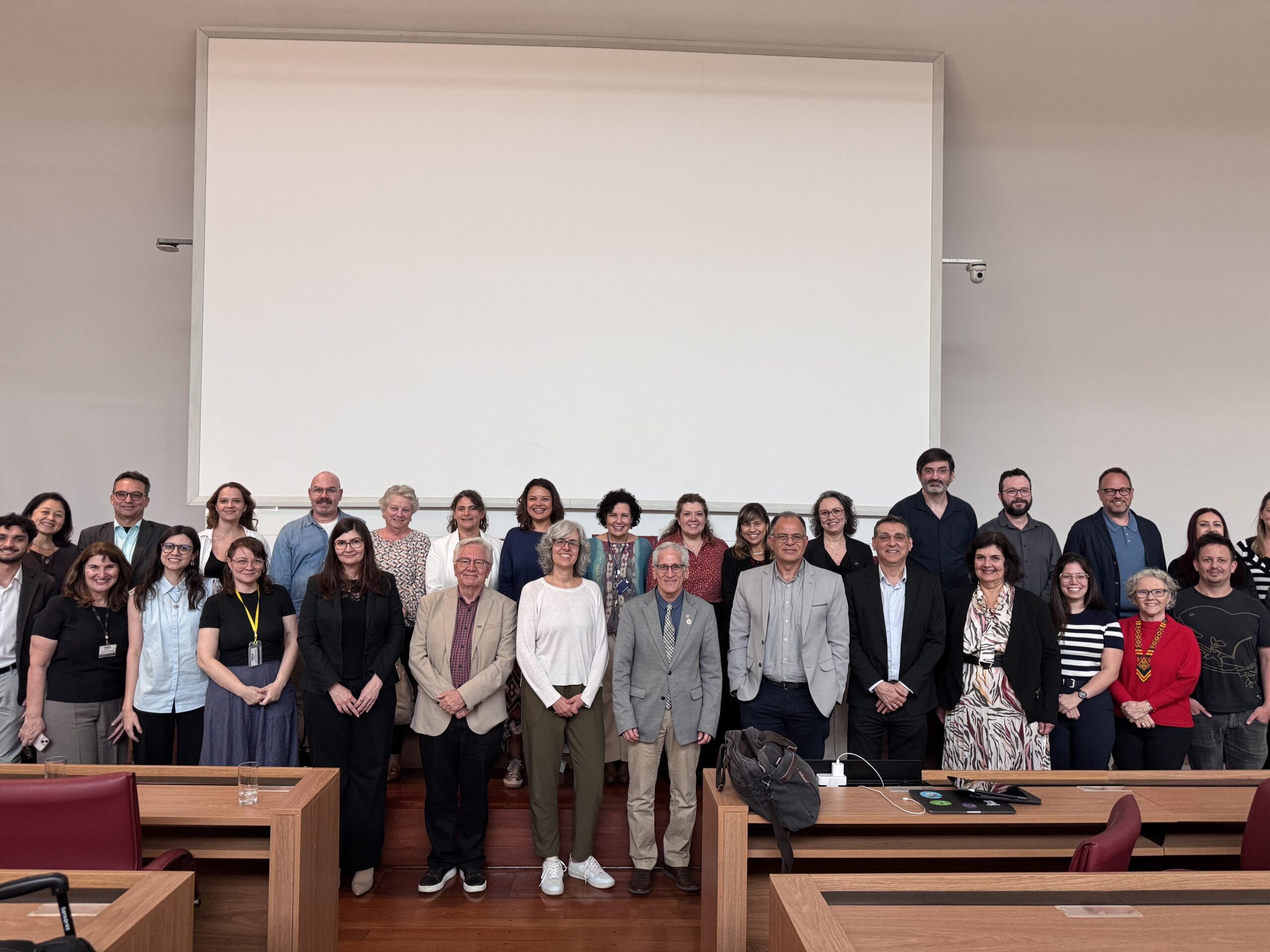
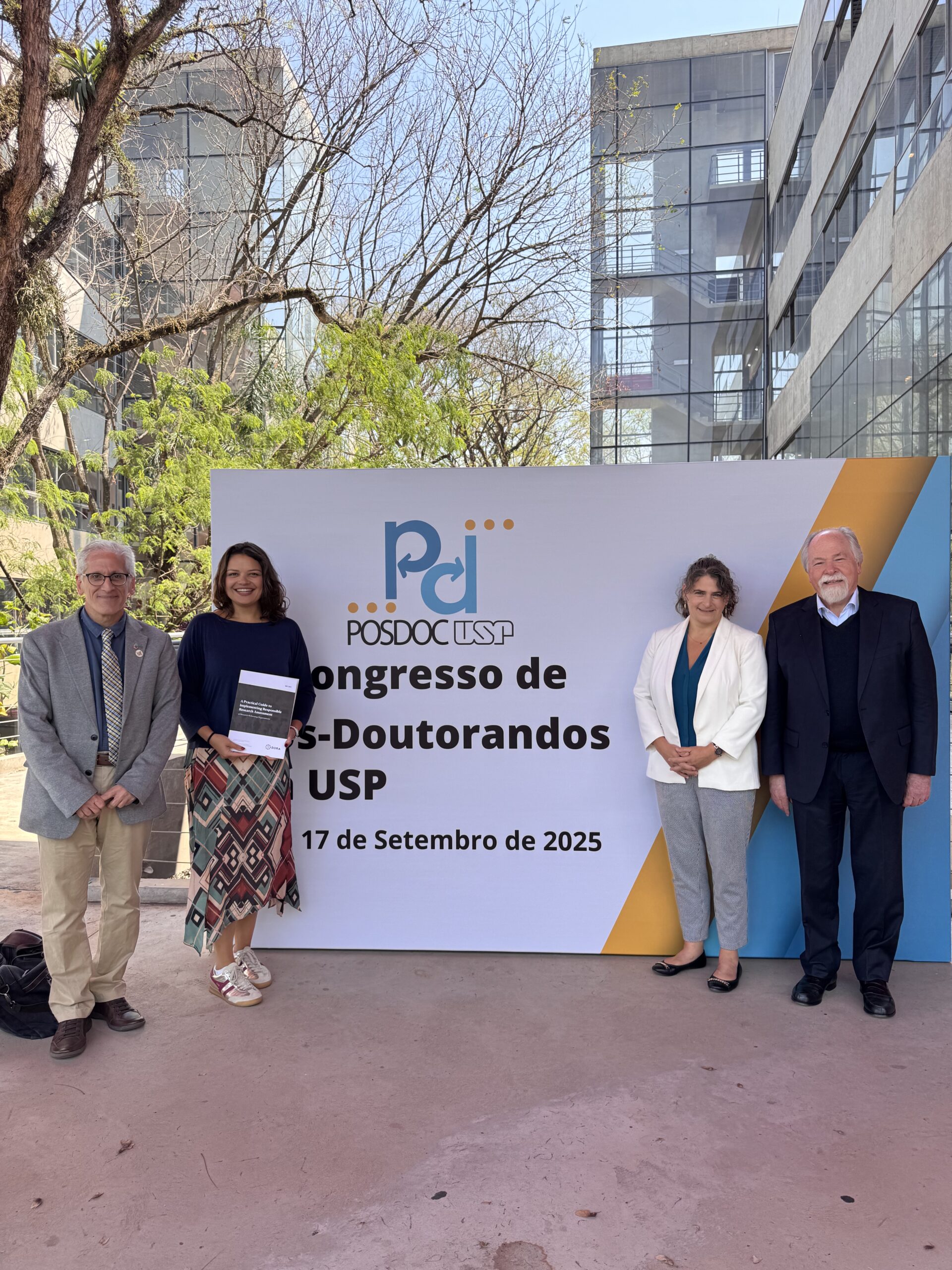
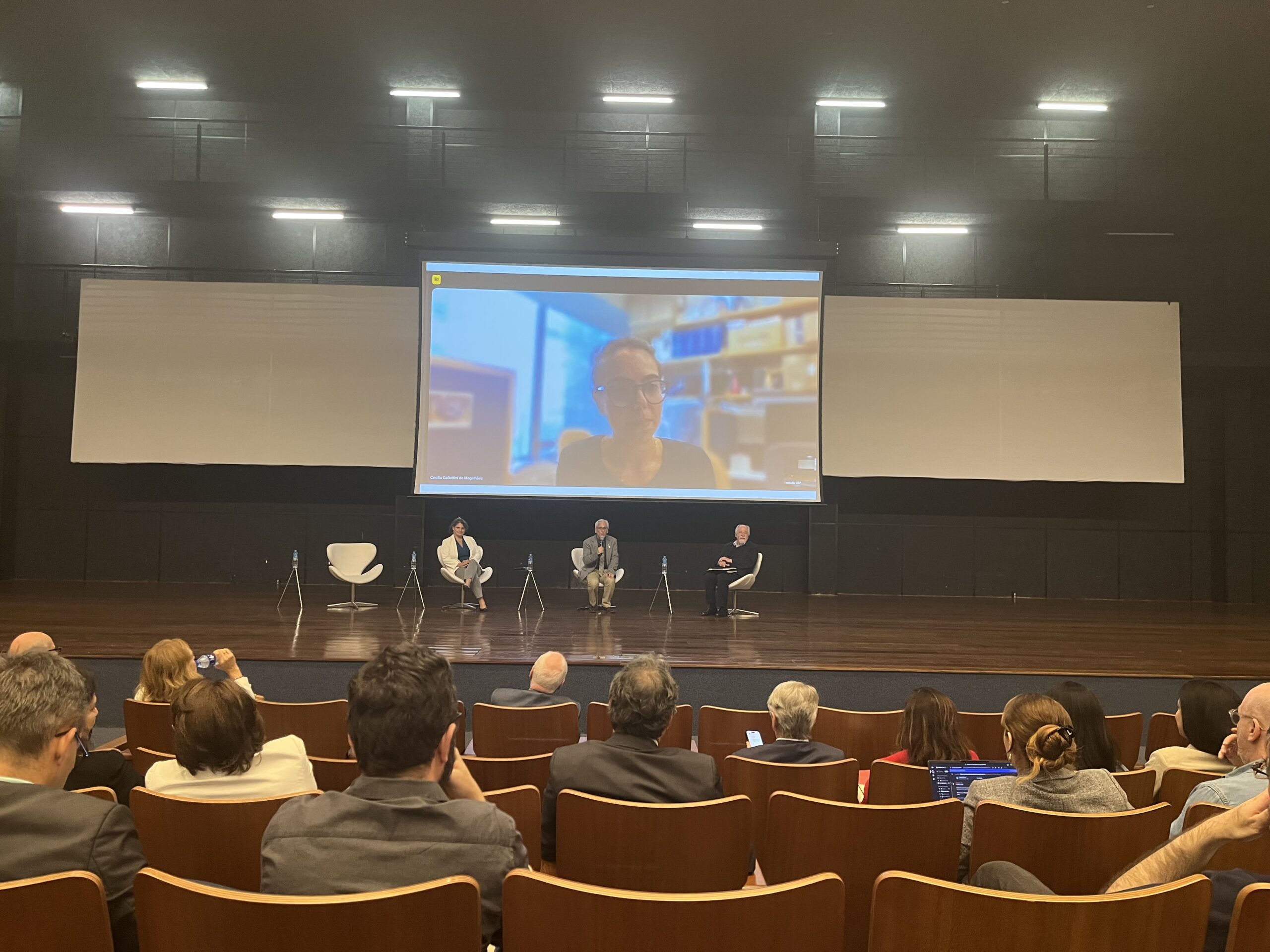
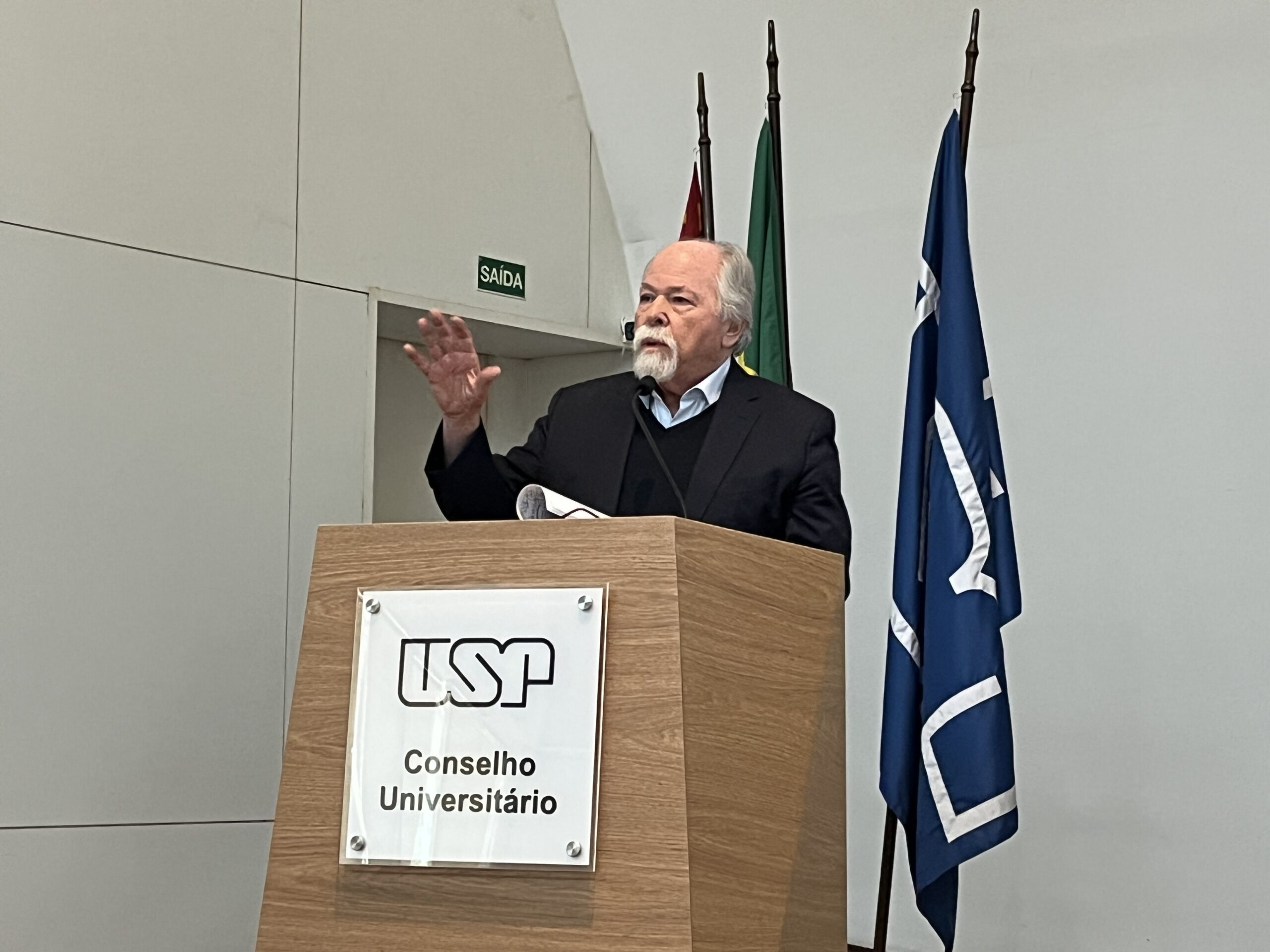
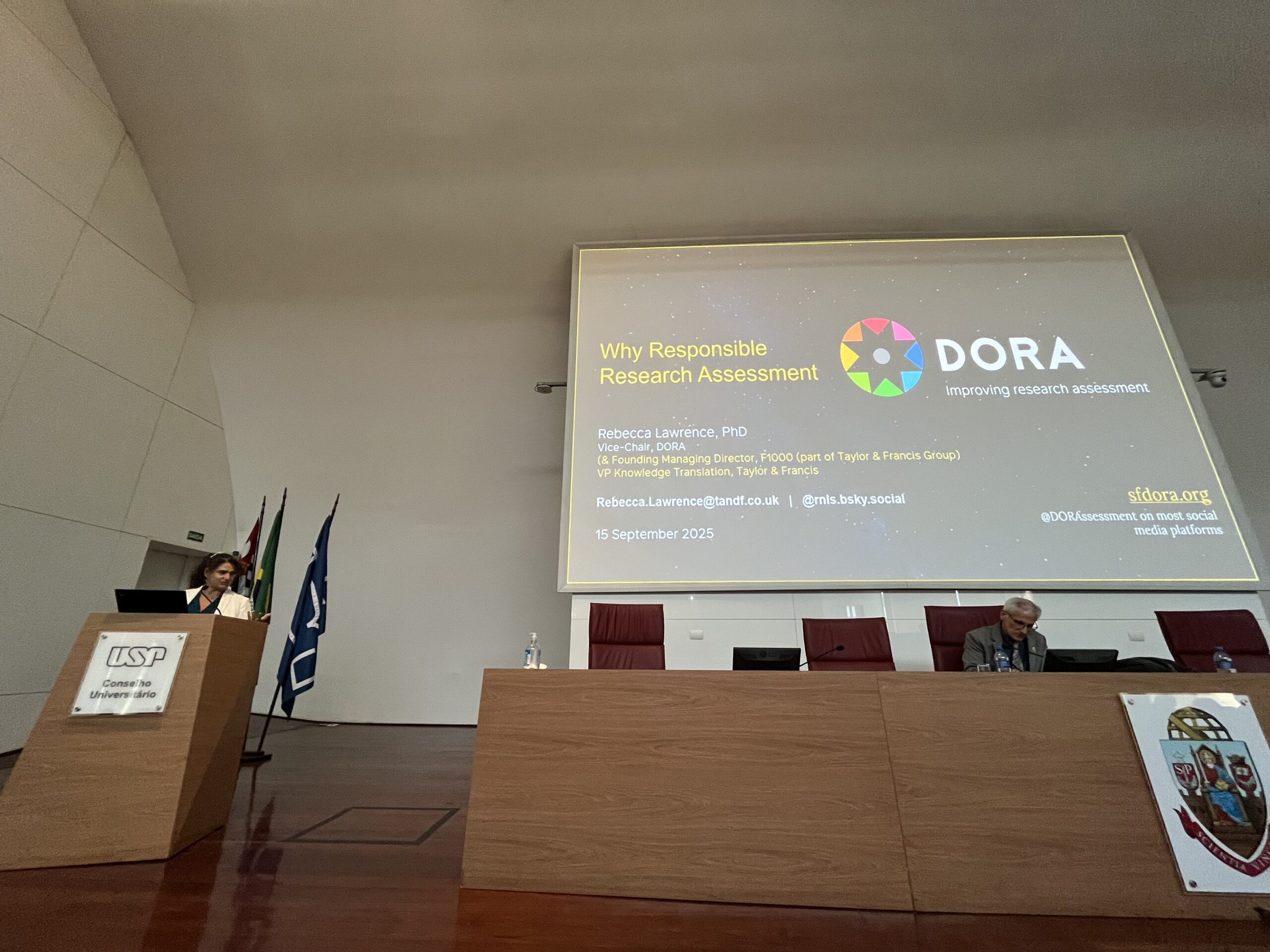
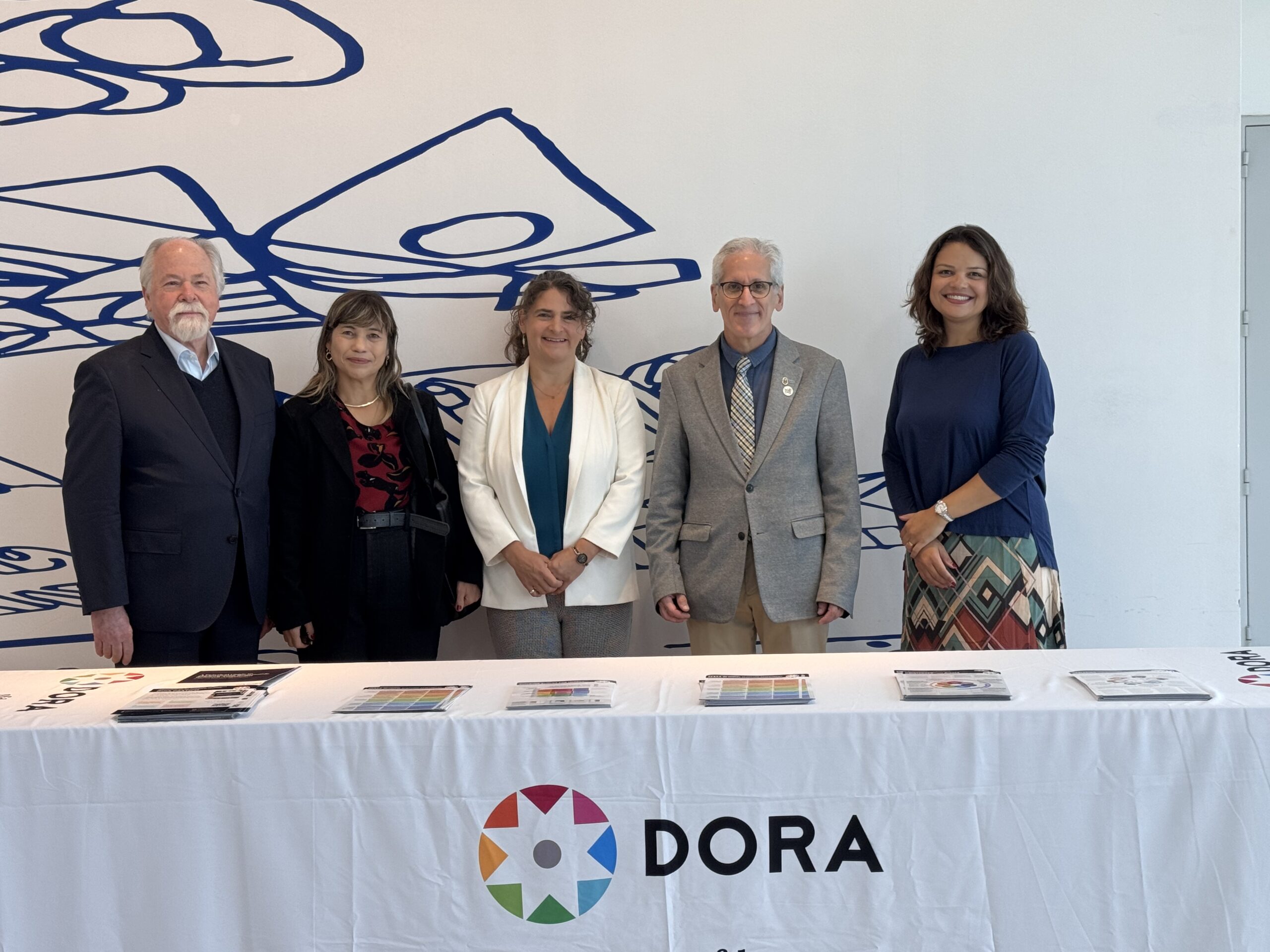
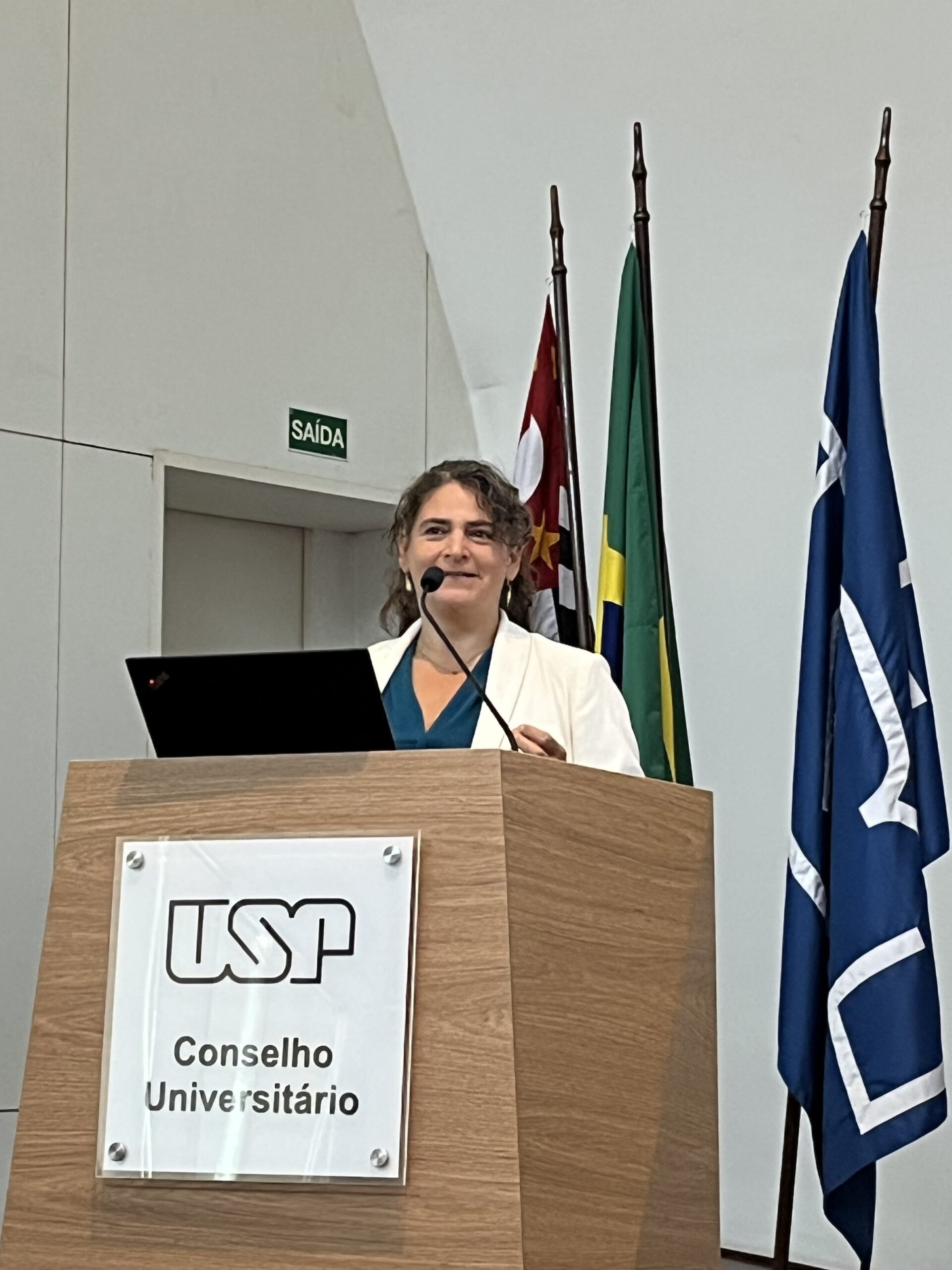
In September 2025, the Workshop “Localizing the Global: Towards Responsible Research Assessment in Brazil” convened institutional leaders and researchers, held on the USP main campus in São Paulo. Part of the agenda of the workshop took place during the Post-Doctoral Congress. The decision to host part of the workshop during the Post-Doctoral conference was highly intentional, recognizing the necessity of engaging the next generation of researchers, who are both impacted by current evaluation methods and are the future reviewers and evaluators.
The discussions about how to implement DORA’s principles in Brazil are synthesized in the White Paper, which confirms that the mandate for research assessment reform is urgent and already underway across Brazil:
- Responding to Complexity: Traditional, purely quantitative models, relying excessively on publication counts and journal rankings, are inadequate to address the complex societal, geopolitical, and technological changes characterizing the 21st century, such as social exclusion, environmental degradation, and political polarization.
- The Culture of Metrics: An overreliance on simple metrics fosters a “publish-or-perish” culture, rewarding quick production over scientific rigor and transparency, which consequently leads to concerningly low rates of reproducibility.
- Training the Next Generation: The current system trains young scientists to pursue metrics rather than prioritize scientific relevance or the advancement of society, creating perverse incentives.
The workshop established three key priority areas for immediate action across São Paulo’s leading universities (USP, UNICAMP, UNIFESP, UNESP): increasing awareness of responsible evaluation; providing training and capacity building for evaluators and administrators; and ensuring the systematic execution and appraisal of evaluation cycles that follow DORA principles.
The main priorities suggested for research funders such as FAPESP, CAPES and CNPq, also stemming from recommendations from the Brazilian Reproducibility Network (BrRN), is to continue to advance shifts in evaluation methodology, expanding recognized outputs, and developing capacity. These priorities help address the challenge that a large number of ad hoc reviewers remain heavily influenced by simple, traditional metrics, creating a gap between the funding agency’s official RRA goals and the practical reality of the review process.
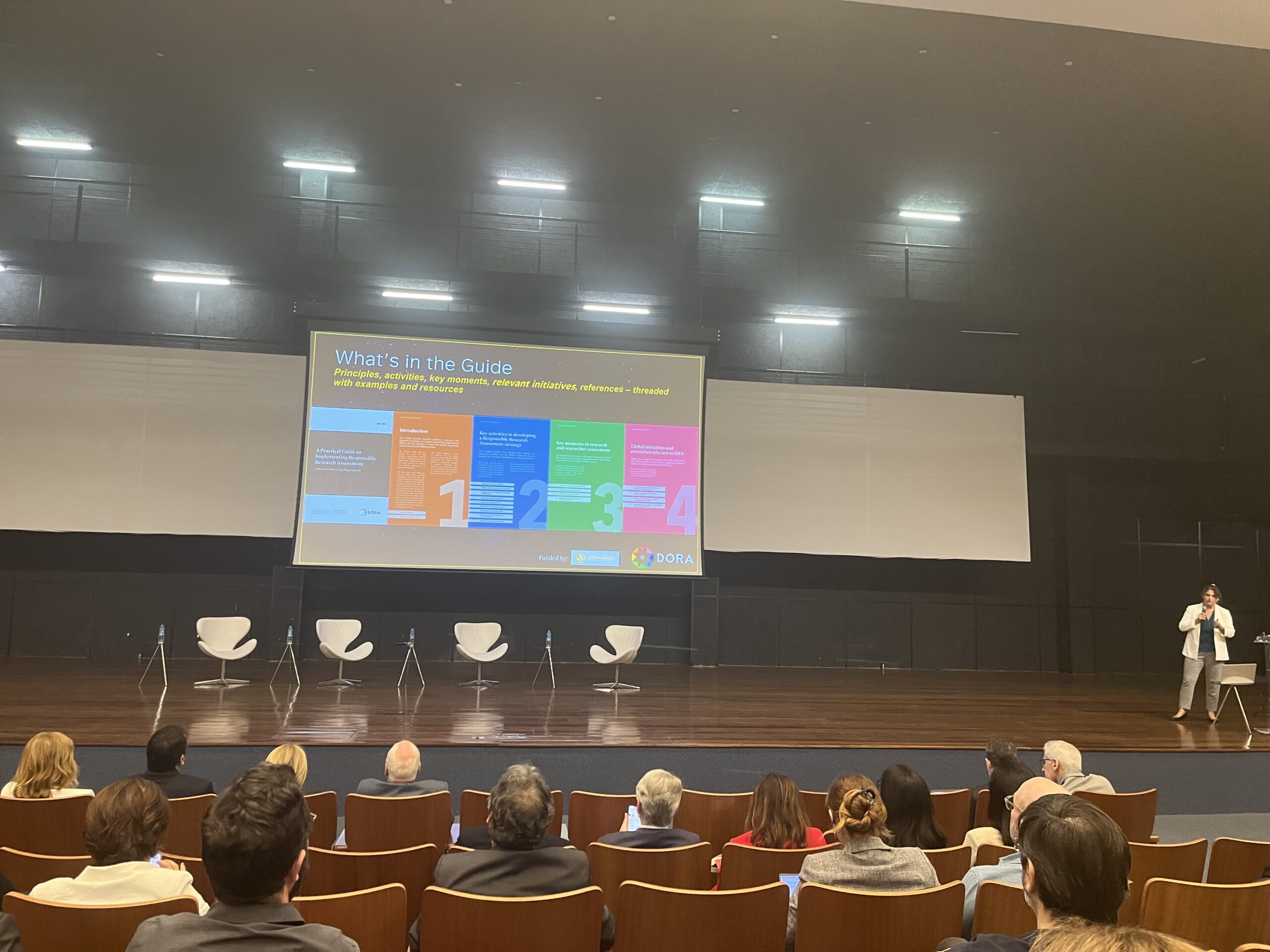
The Portuguese Guide (Um Guia Prático para Implementar uma Avaliação Responsável da Pesquisa em Organizações Realizadoras de Pesquisa) is a translation of the English version. The goal was to produce a translation that made the Guide more accessible, as DORA is currently unable to create unique adapted versions for the realities of every country. As described in the Guide, readers are encouraged to make adaptations and use it flexibly Designed to help organizations move beyond RRA principles toward actual implementation and monitoring of a strategy, the Guide is deliberately discipline-agnostic, flexible, and adaptable to various organizational contexts.
The Guide outlines nine key activities crucial for catalyzing reform, such as engaging organizational leadership and mobilizing resources. Crucially, it provides practical tips for incorporating RRA into the most significant career moments for researchers, including: recruitment, hiring, and progression decisions; institutional awards and internal grants; and the evaluation of internal research units. It also maps important international initiatives working in related topics to research assessment that can inform change practices.
The White Paper, Navigating the Transition: Responsible Research Assessment in the Main Universities of the State of São Paulo, synthesizes the collaborative discussions and institutional self-analyses, providing a crucial snapshot of RRA efforts across São Paulo state universities, even if not comprehensive.
The document details how public universities and major funding agencies like FAPESP are approaching reform. It highlights the growing movement away from reliance on purely quantitative metrics toward meaningful assessment, a system intrinsically linked to the core values that motivate scientists: the creation of knowledge and the betterment of life for the society the university serves. The White Paper stresses that this transition is a complex, continuous cultural change that requires overcoming deep-seated resistance and systemic hurdles, such as the perceived subjectivity of qualitative assessment, which is exacerbated by the judicialization of hiring and promotion processes in Brazil.
The successful launch of these resources in Portuguese is the culmination of a deliberate and focused collaborative yearlong timeline. Early meetings in March and May brought together USP’s Scientific Good Practices Committee, DORA representatives, and Projeto Métricas Jacques Marcovitch to outline strategies for promoting DORA principles within the university and nationally. These discussions laid the groundwork for a preparatory event in August which convened representatives from universities and research funders CNPq, CAPES, and FAPESP to explore how global frameworks could be meaningfully adapted to the Brazilian context.
Momentum continued in September with a larger workshop co‑organized by USP, Projeto Métricas, and DORA, including a focused discussion on the post‑doctoral community’s role in shaping fairer evaluation practices. A follow‑up meeting in October helped finalize the conclusions for a White Paper and confirmed the commitment to translating the RRA Practical Guide into Portuguese. These coordinated efforts culminated on December 10, 2025, with the official launch of both the Portuguese RRA Practical Guide and the White Paper, marking a significant step toward contextualized, responsible, and inclusive research assessment practices across Brazil.
Acknowledgments
The Portuguese RRA Guide and the White Paper are available for download now, providing essential tools for the next phase of responsible research assessment reform in Brazil.
The translation of the Practical Guide for Implementing Responsible Research Assessment in Research Performing Organizations into Portuguese was a major undertaking that relied on the generosity and dedication of our partners.
We express our profound gratitude to the Instituto de Ciências Biomédicas (ICB), Projeto Métricas, and the Rede Brasileira de Reprodutibilidade (RBR) for their collaboration.
A special thank you is extended to the individuals who committed their time and expertise to the translation effort: Patrícia Gama, Justin Axel-Berg, Eduarda Centeno, Olavo Amaral, Ricardo Ceneviva, Isis Trajano, and Juliana Fernandes. Their commitment ensures that this vital guidance is accessible to the broader Portuguese-speaking research community.