

On December 2, 2025, as a side event of the CeRRA conference in Copenhagen, DORA hosted a full-day co-creation workshop at Aalborg University. The goal: to refine the Practical Guide for Implementing Responsible Research Assessment at Research Funding Organizations (RFO Guide), being developed together with the Global Research Council RRA Working Group (GRC RRA WG ) and Science Europe and ensure it becomes a one-stop resource for funders worldwide. We are delighted to share insights below. This was the fifth and final co-creation event for the upcoming Guide, which is planned to be released in May 2026.
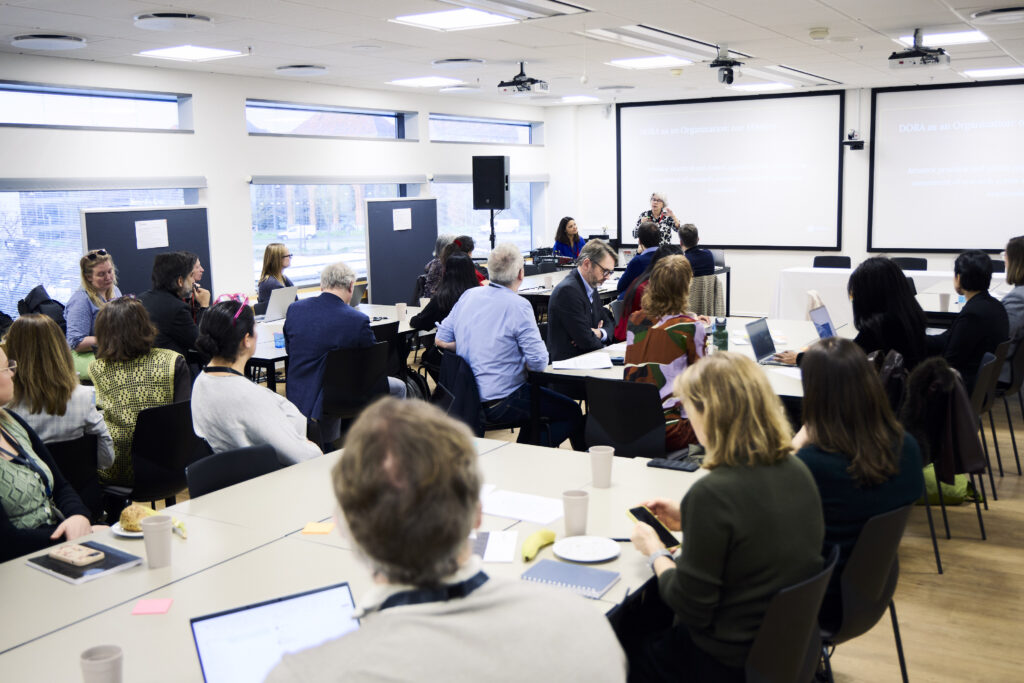
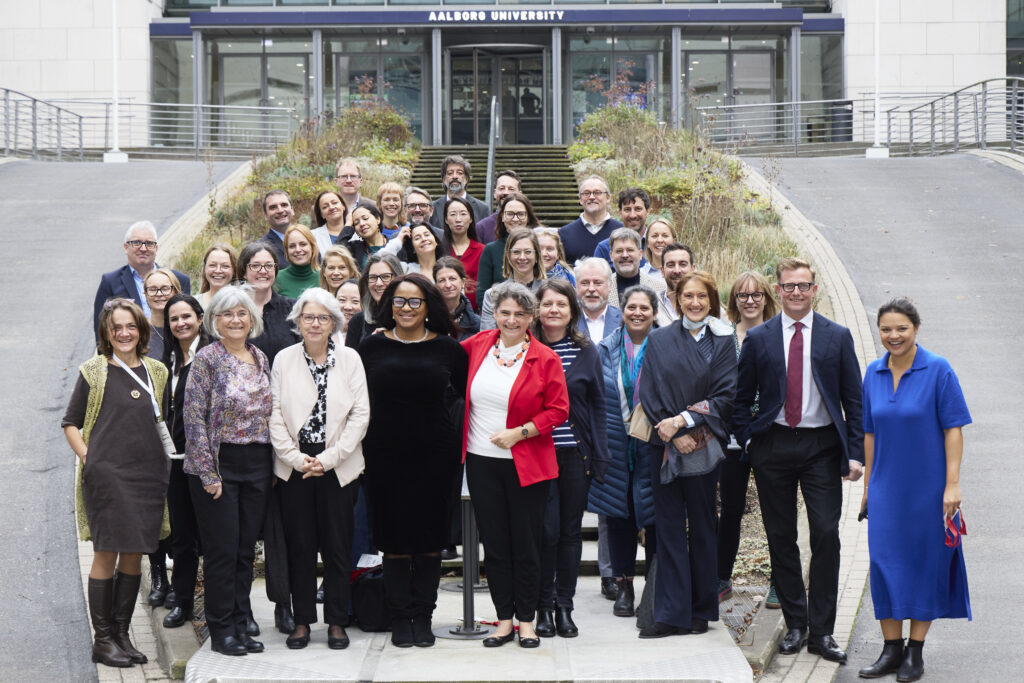
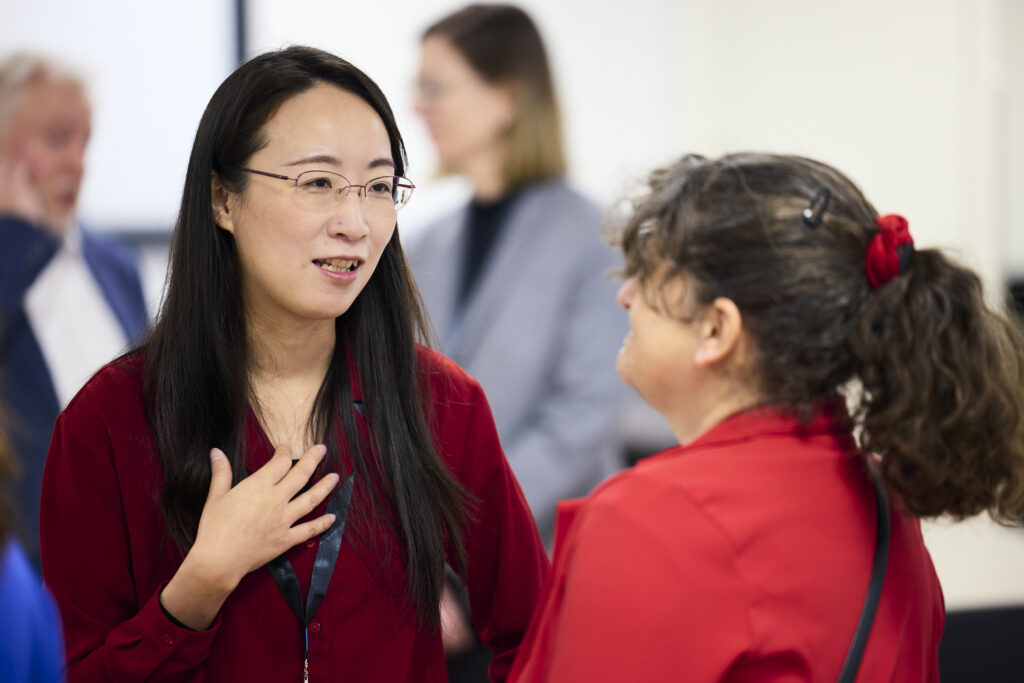
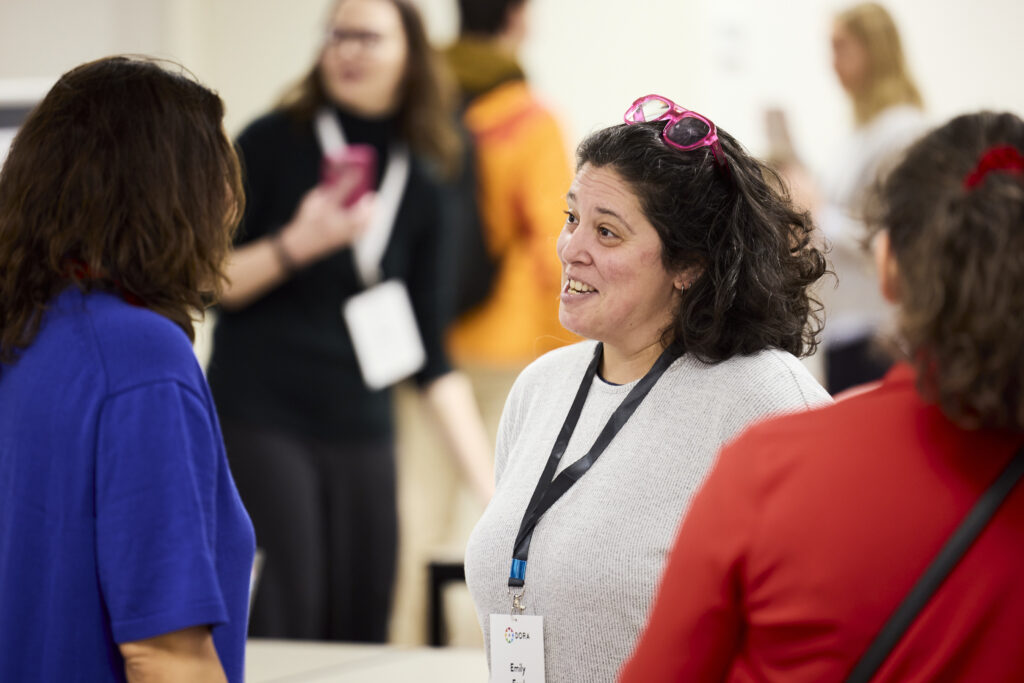
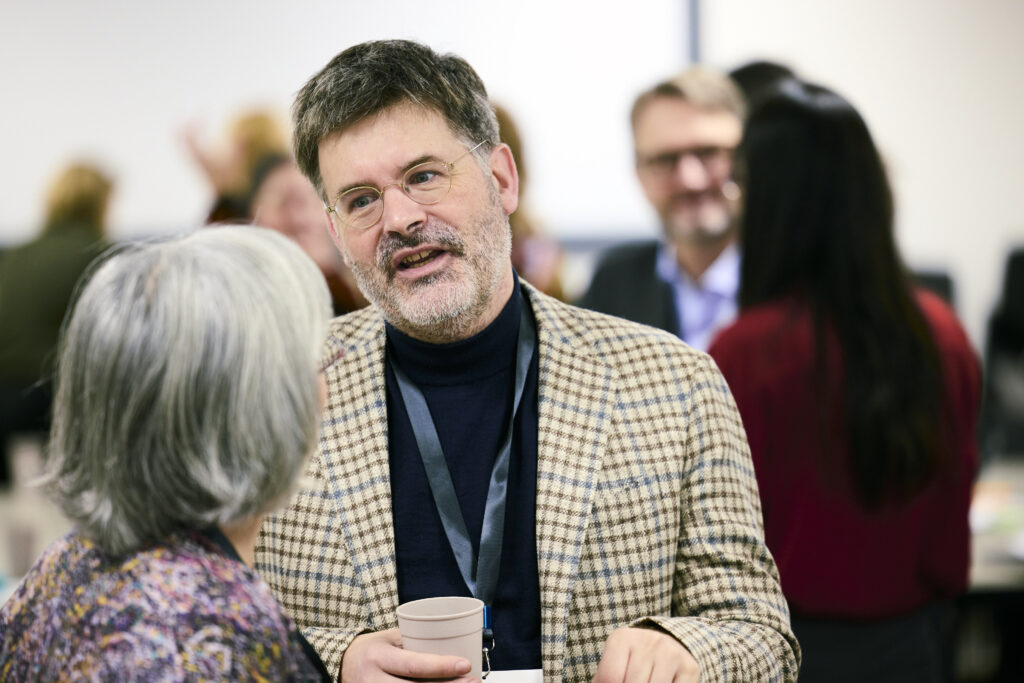
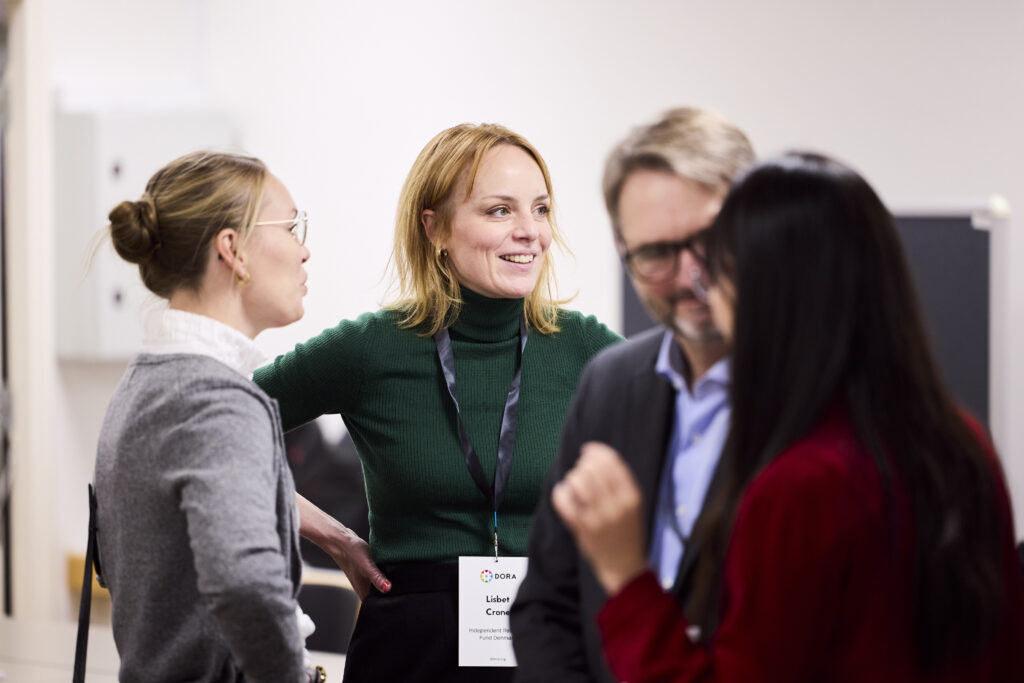
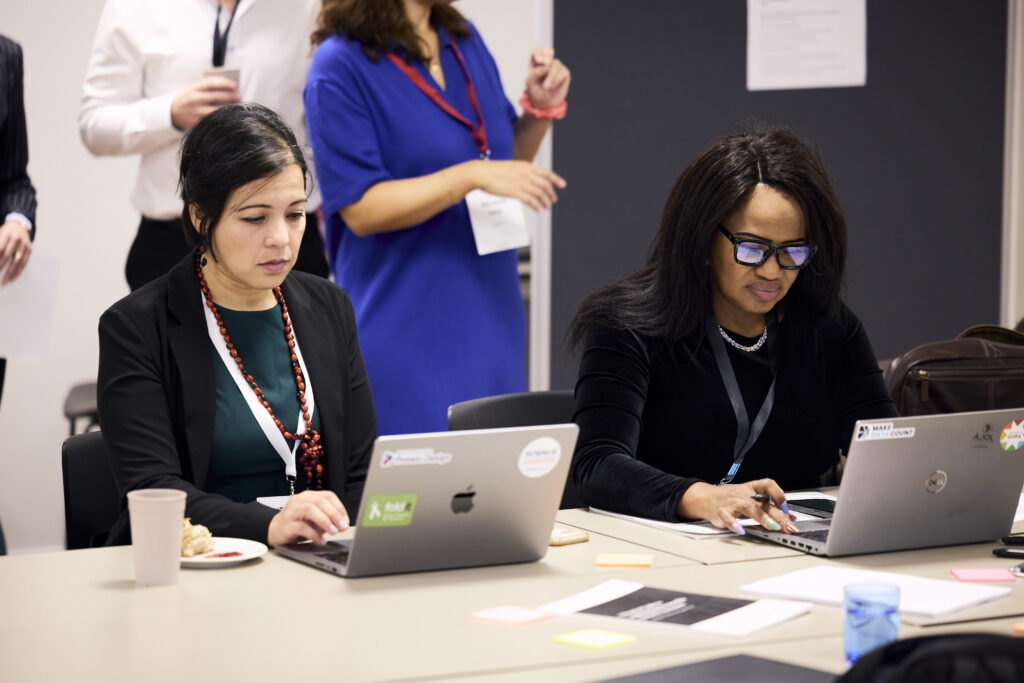
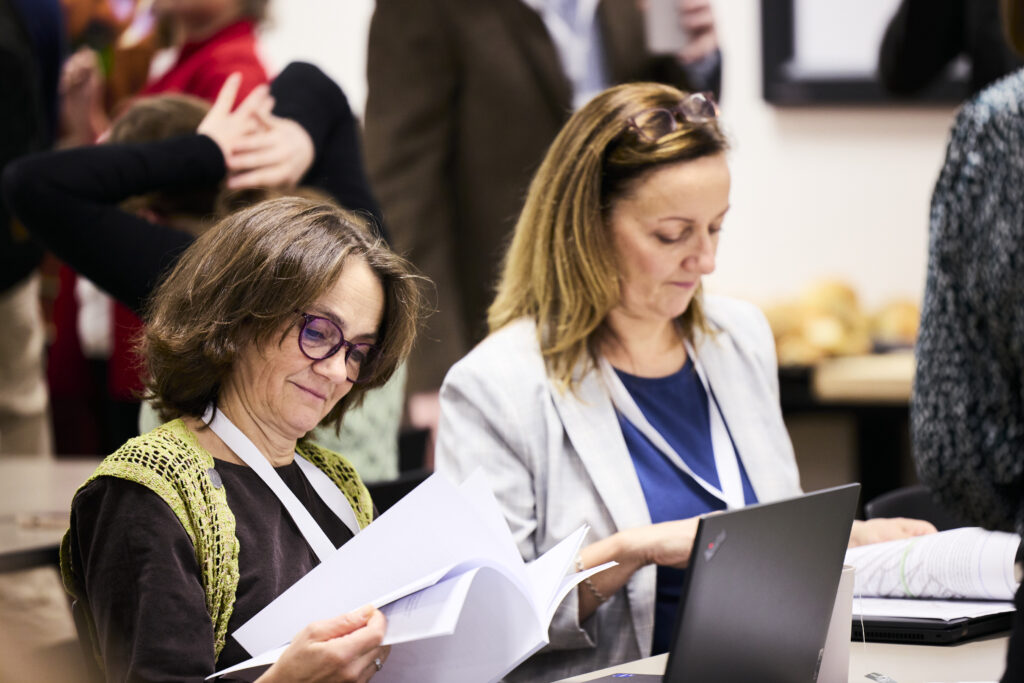
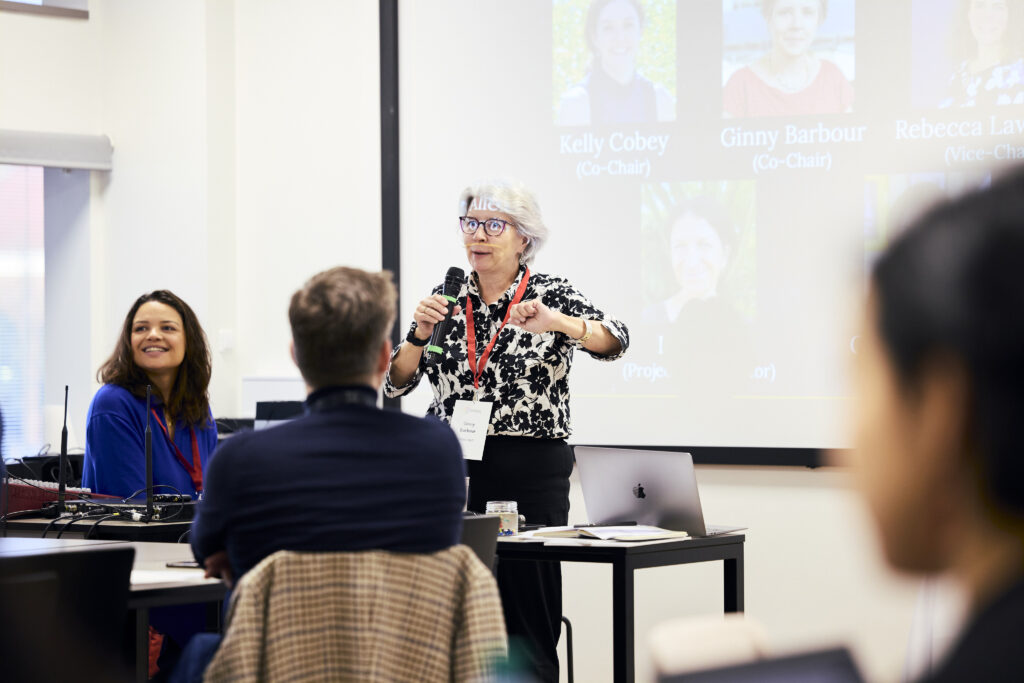
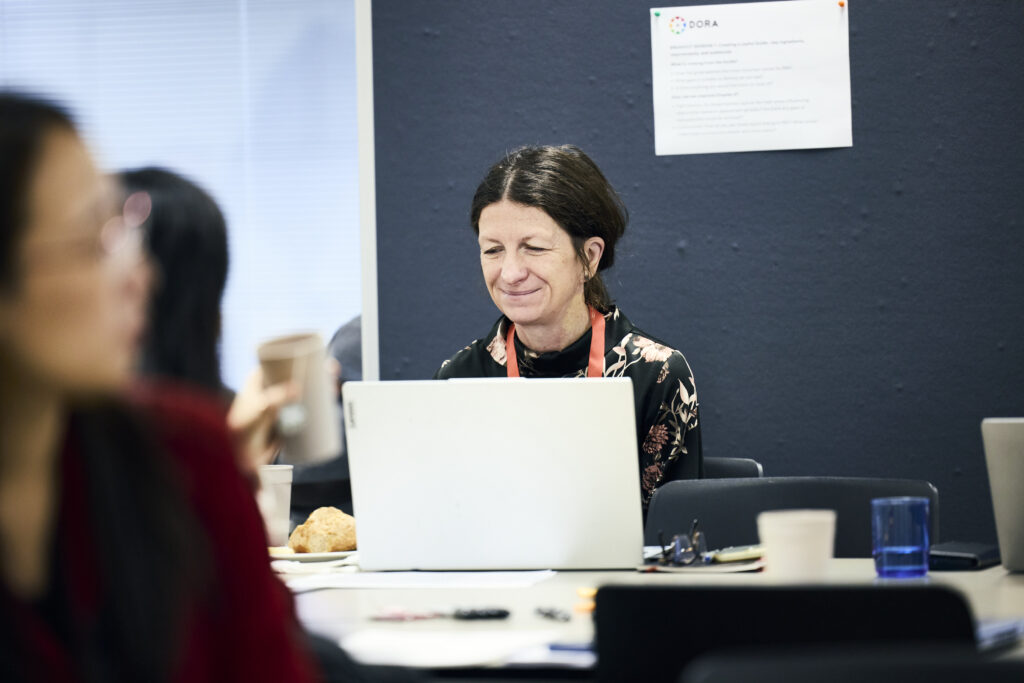
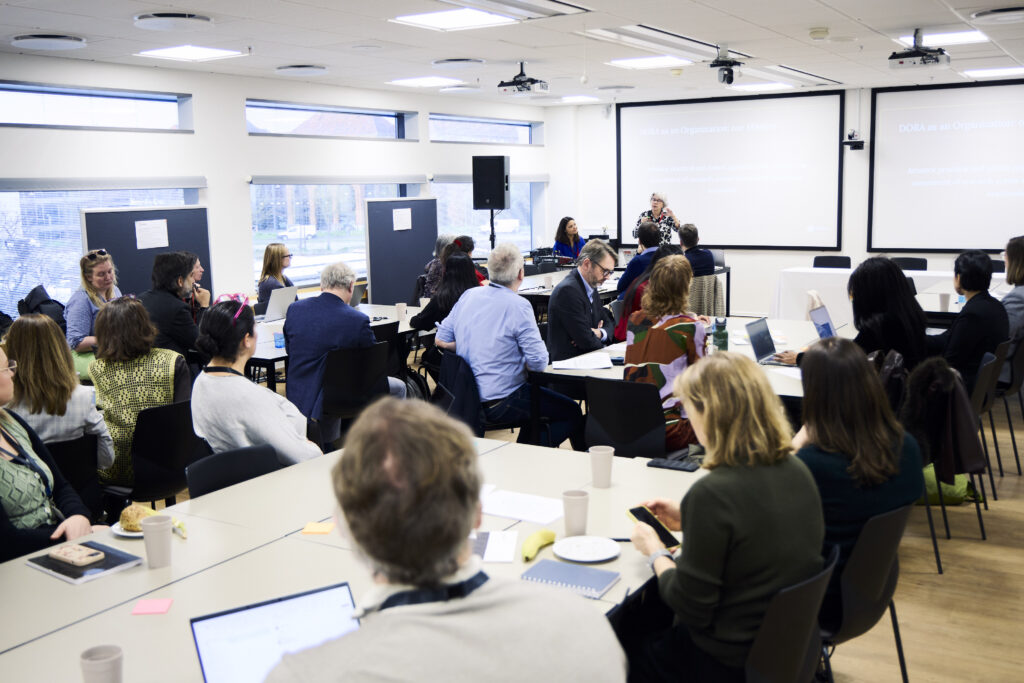
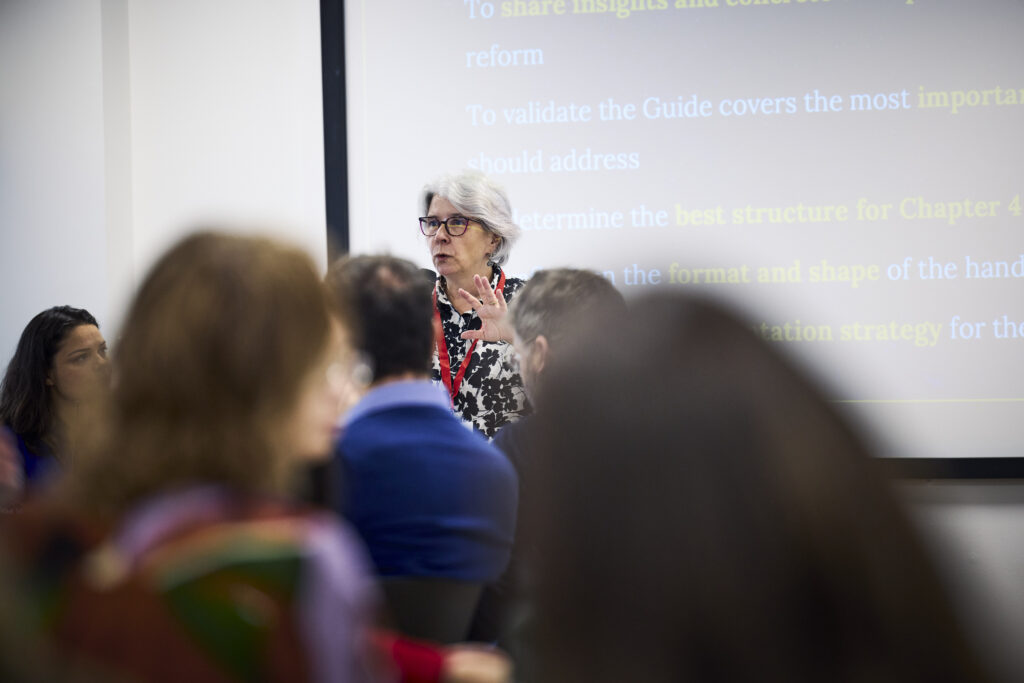
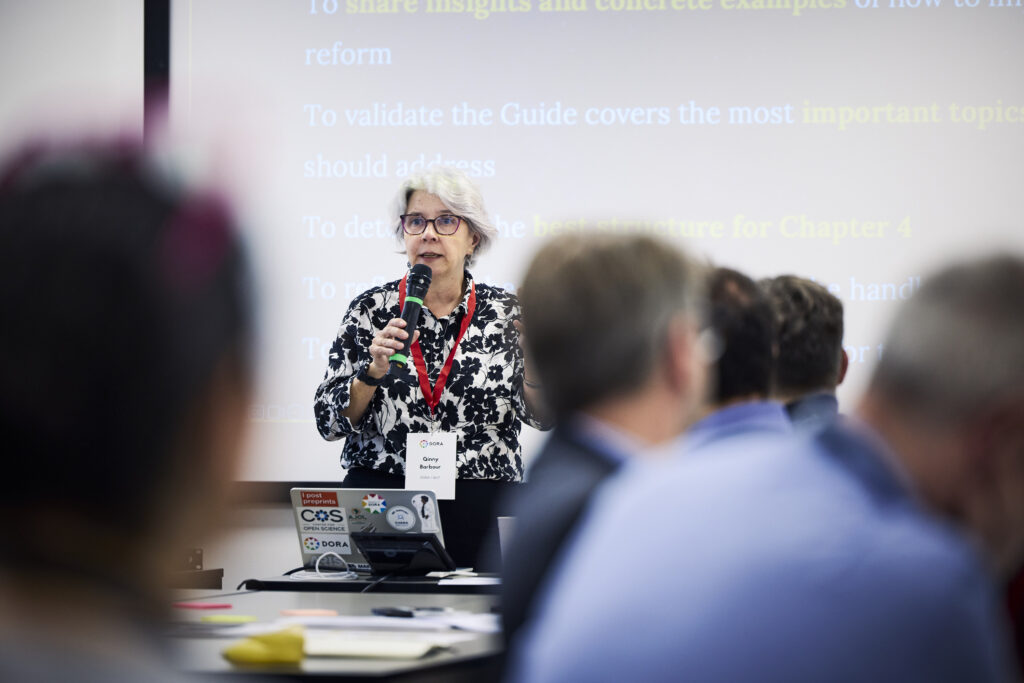
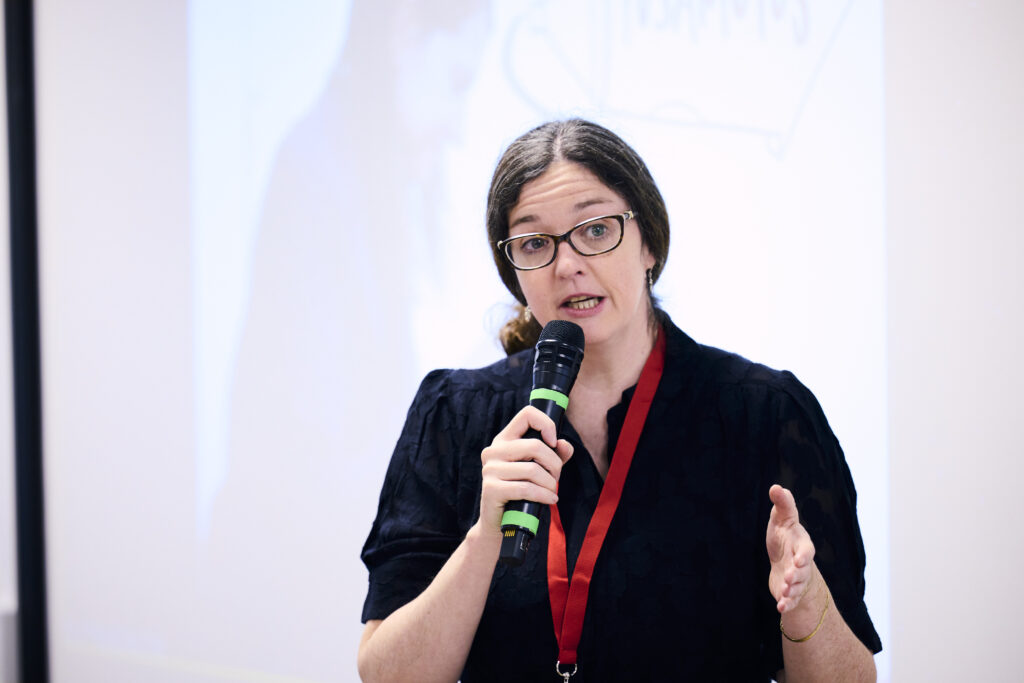
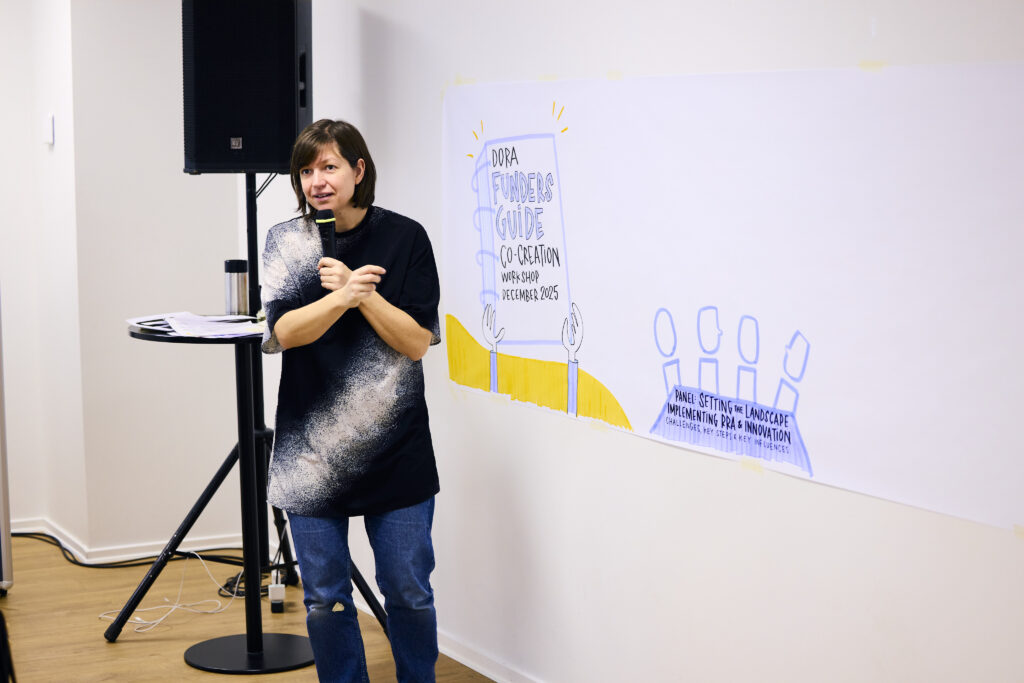
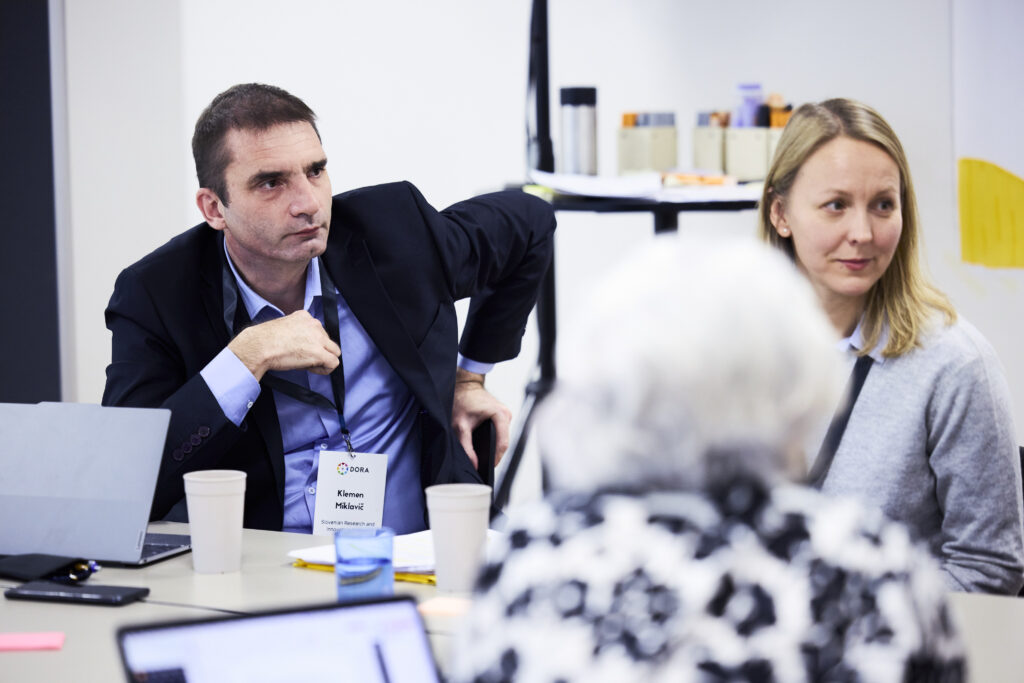
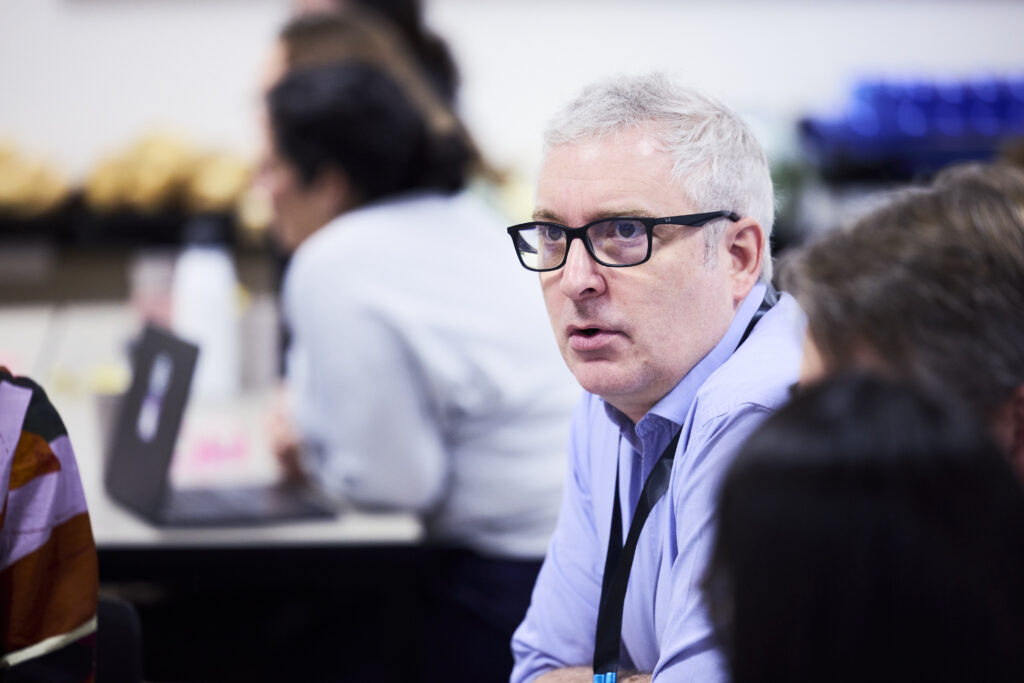
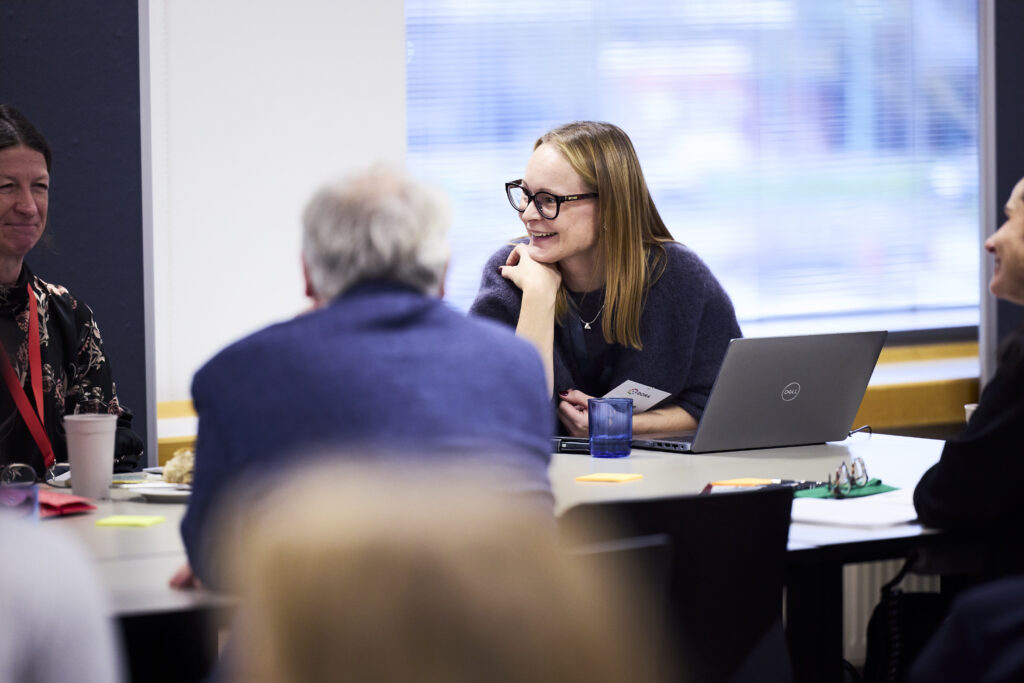
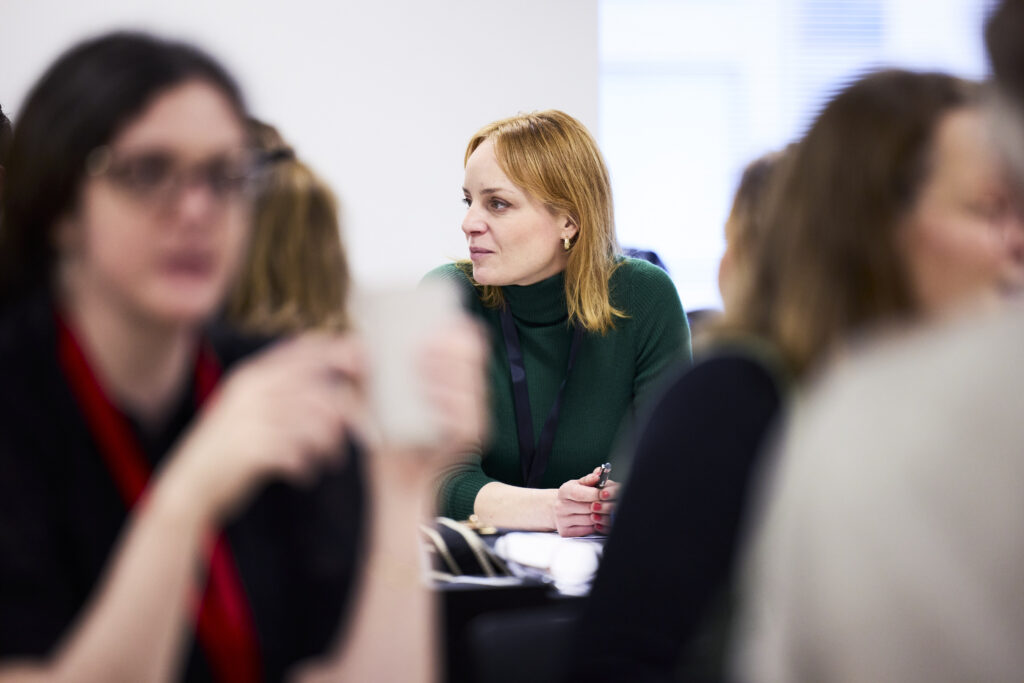

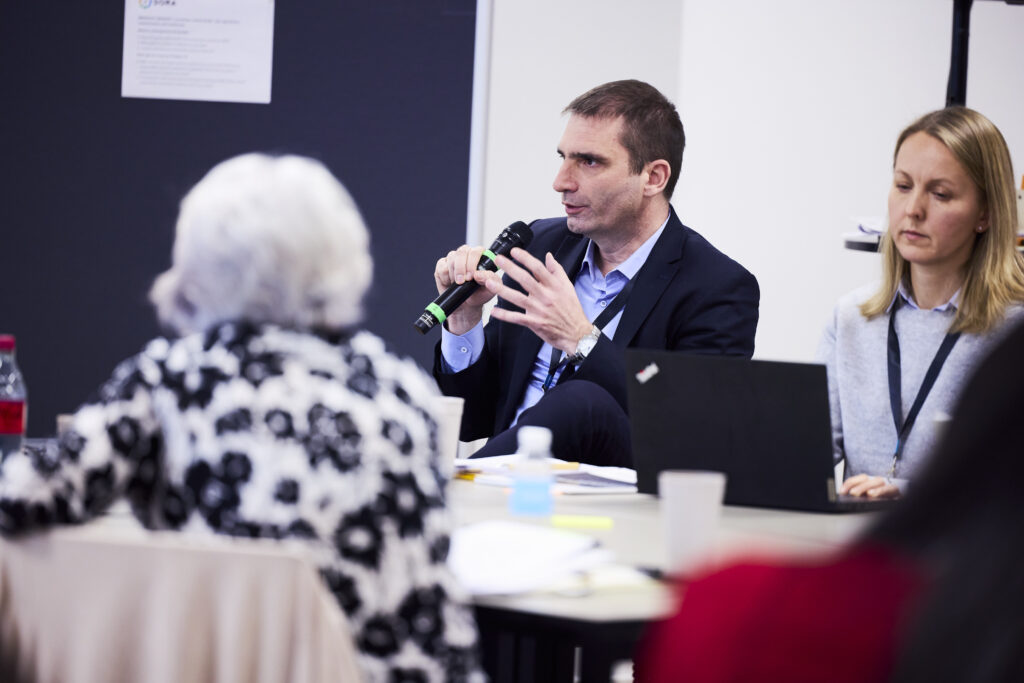
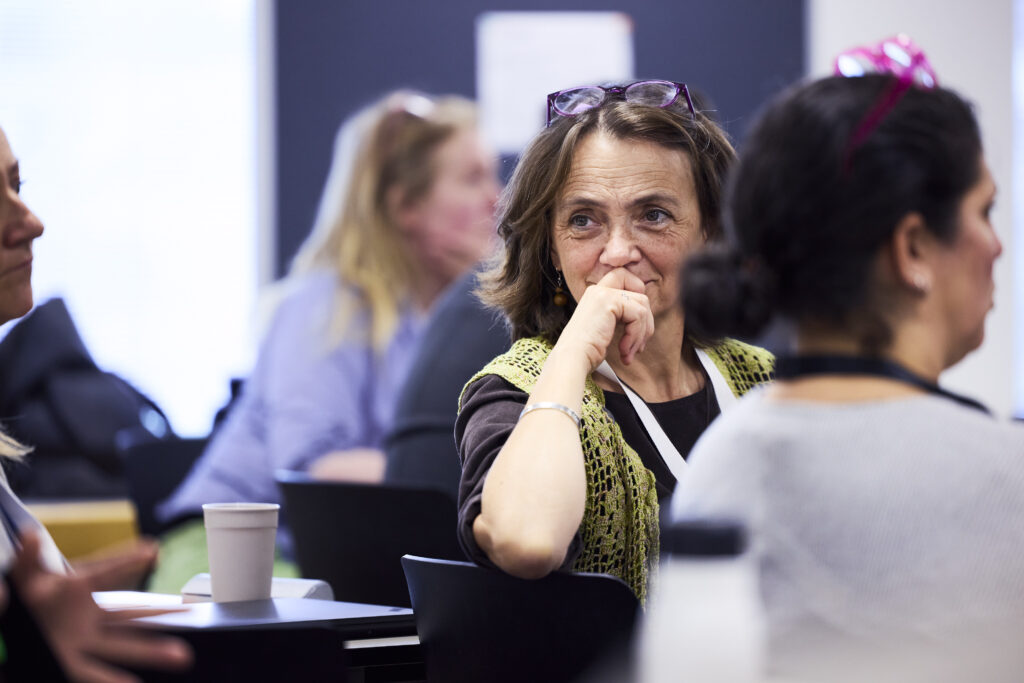
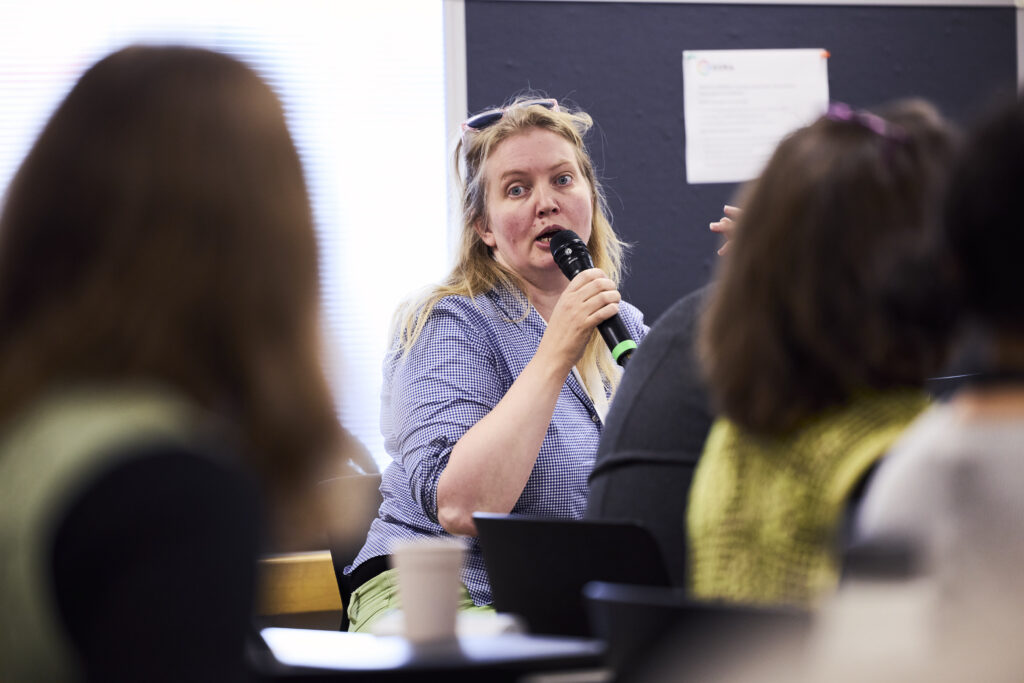
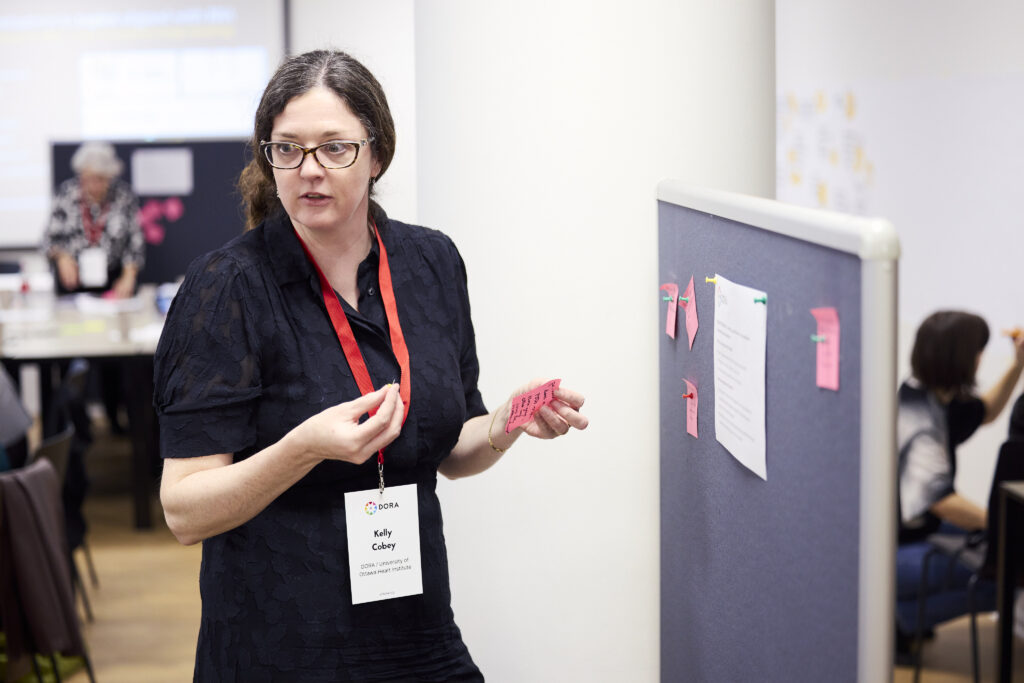
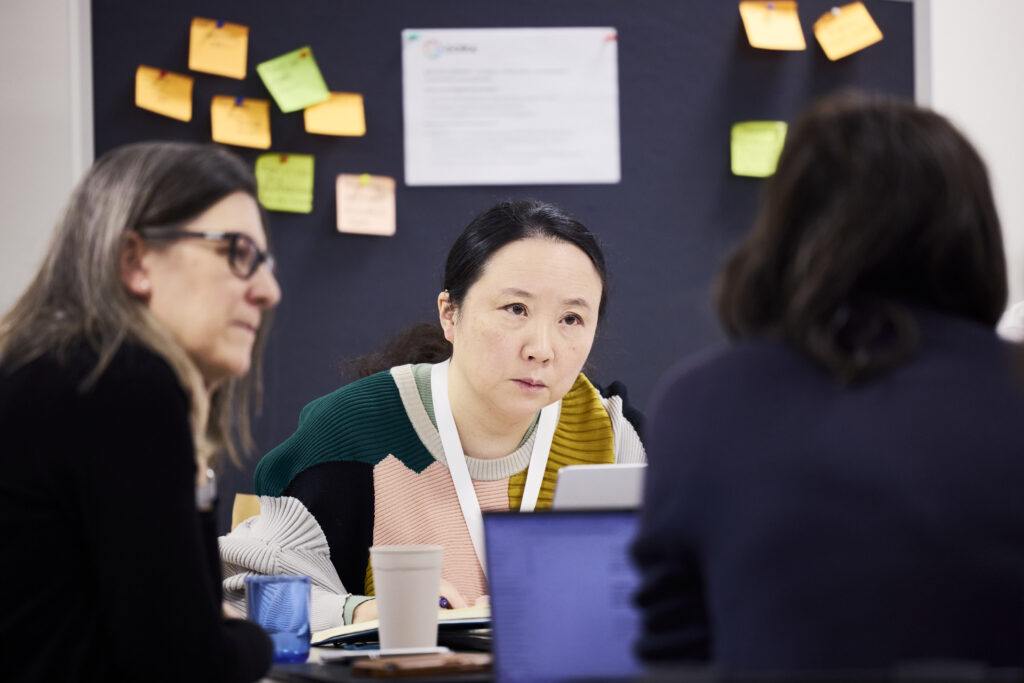
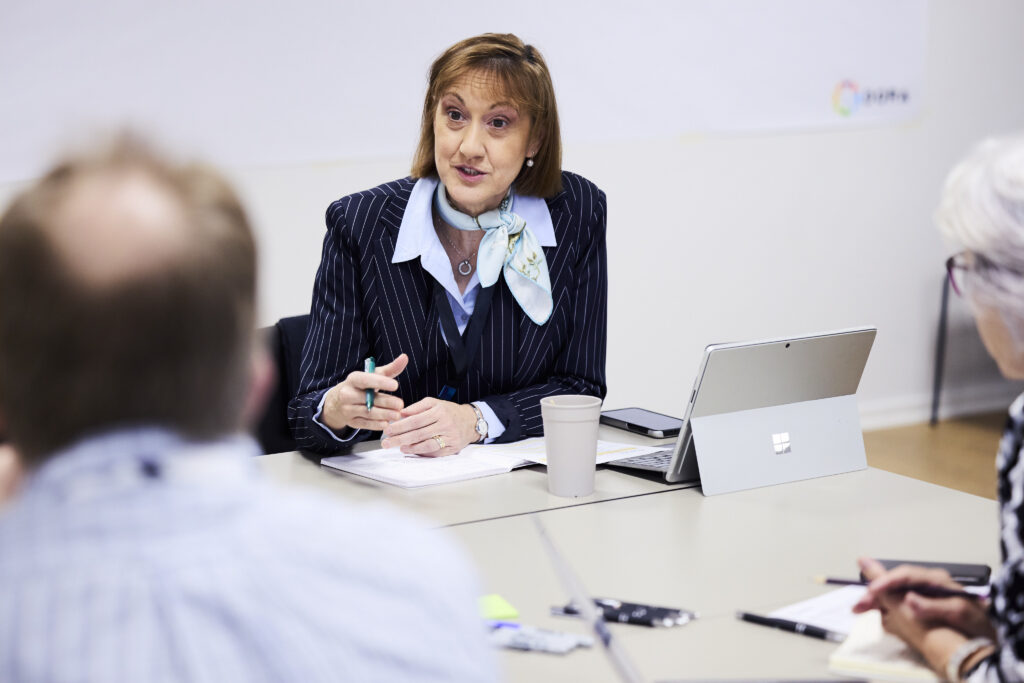
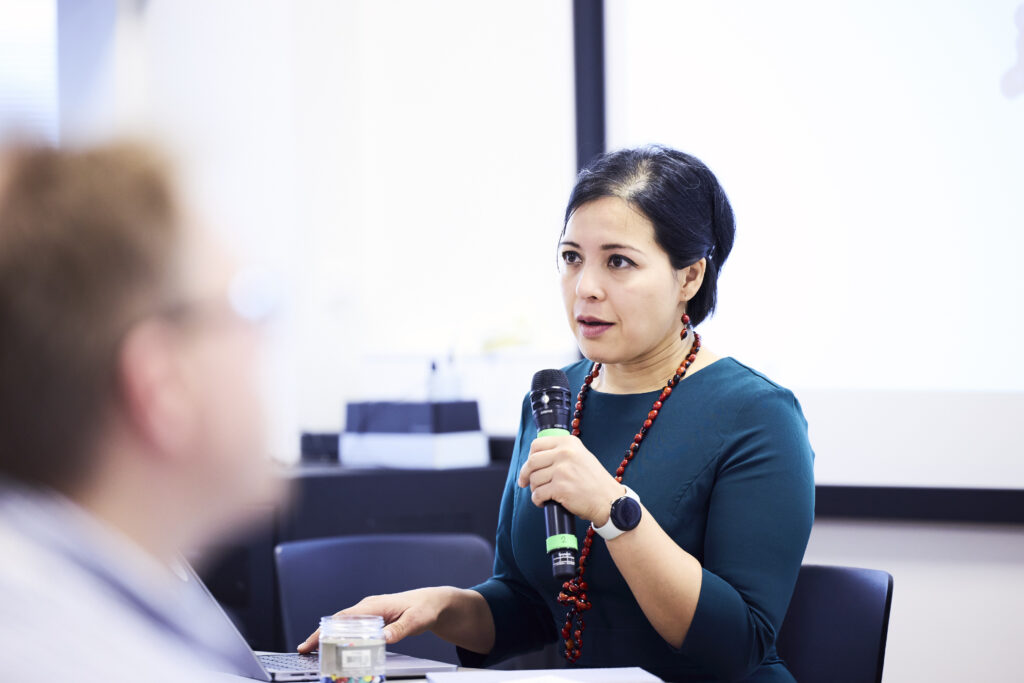
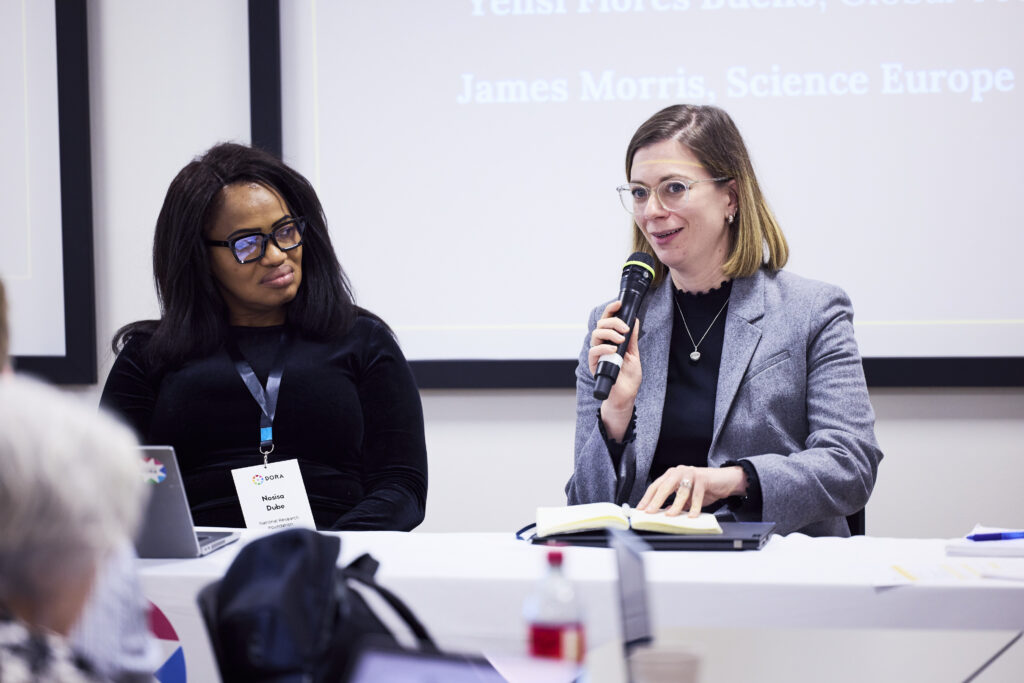
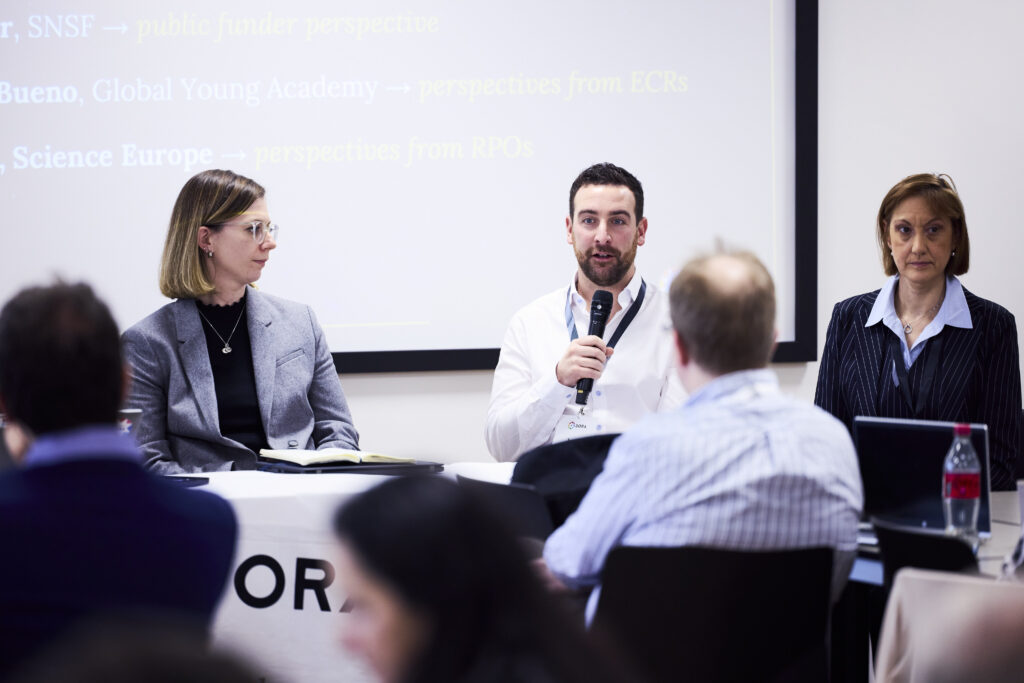
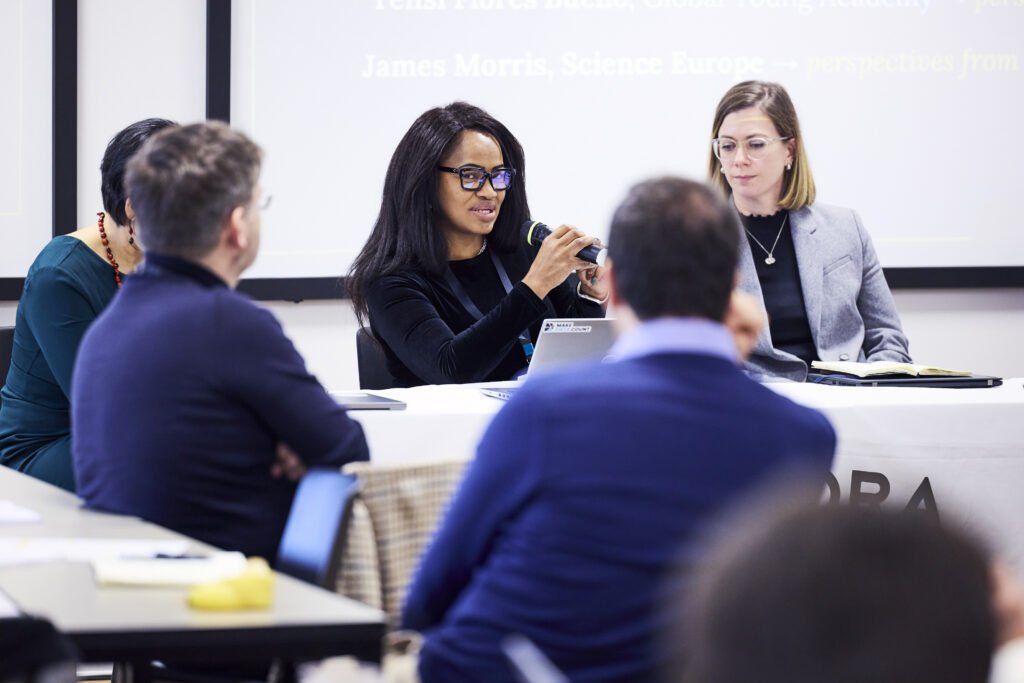
The workshop brought together over 50 participants from across the globe representing a diverse mix of research funders, policy makers, research performing organizations (RPOs), early career researchers (ECRs), and advocacy groups. Attendees included program managers, senior leadership from funding agencies, evaluation specialists, and communications staff, that is, the audiences the Guide aims to serve. Read on as we share the main highlights of the day!
The day was structured to combine expert insights with collaborative design. The workshop began with a welcome from the CeRRA host, David Pedersen, who welcome us to Copenhagen. A framing session followed, which briefly introduced DORA, the RFO Guide, and the objectives for the day. This was followed by a panel discussion on implementing responsible research assessment (RRA) and innovation, exploring challenges, key steps, and influential factors. Participants then engaged in two breakout sessions. The first focused on designing a practical and focused Guide, addressing its content, intended audiences, and priorities. The second examined accessibility and implementation, considering formats, discoverability, and usability. After the breakout discussions, the groups reconvened for reporting back and a broader conversation on challenges and opportunities for success. The day concluded with a closing session summarizing key insights and outlining next steps.

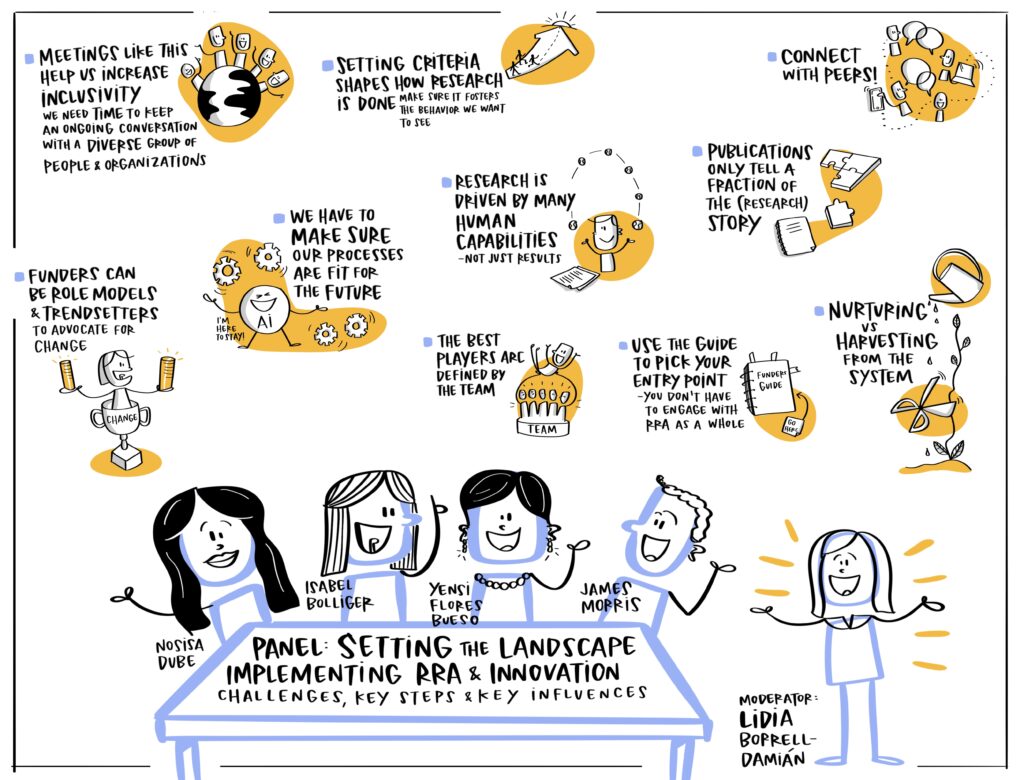
The workshop kicked off with an insightful panel discussion. Moderated by Lidia Borrell-Damián (Science Europe), it included short presentations from diverse perspectives of the system: Nosisa Dube (GRC RRA WG) offered a global view of work underway; Isabel Bolliger (SNSF) provided concrete examples from a public funder; Yensi Flores Bueso (Global Young Academy) represented the voices of Early Career Researchers (ECRs); and James Morris (Science Europe) provided perspectives from Research Performing Organizations (RPOs).
In her presentation, Nosisa Dube highlighted the work of the GRC RRA Working. She shared the 11 Dimensions of RRA as a foundational framework to guide future progress, that is informing a Self-Assessment Tool, targeted for release in 2026. This tool helps funders understand “where they are” in embedding RRA principles. Developed in collaboration with DORA, this tool is designed to complement the Practical Guide. Dube also introduced the GRC Maturity Model that underpins the Self-Assessment tool, which organizes progress across five stages: Exempt, Embryonic, Emerging, Embedded, and Evolving. To support practical implementation, the Working Group has also created a digital case study booklet and library, offering real-world examples of how funders can embed RRA practices in line with the 11 dimensions.
Isabel Bolliger highlighted that research assessment is the core business of a funder, and reforming RRA is the key lever to realize essential policy objectives such as Equality, Diversity, Inclusion (EDI), Open Science, and transdisciplinarity. She described how SNSF is refining what constitutes value in research and implementing practical changes such as training programs for panel members, and the adoption of standardized CVs with narrative elements. Alongside these process innovations, SNSF is conducting internal studies to evaluate them. Bolliger noted that SNSF is also exploring future-oriented reforms. Bolliger acknowledged the challenges of implementing RRA, such as system complexity, resistance, and resource needs, and stressed that continuous dialogue across all levels within an organization, particularly having champions in its leadership team, is essential for success.
Yensi Flores Bueso provided critical input from the perspective of ECRs, noting that they often develop essential qualities like persistence, creativity, and resourcefulness due to contextual challenges. Flores Bueso emphasized that publications tell only a narrow part of the research story. Assessment systems must move beyond the “one-size-fits-all expectation” for success, recognizing that a “good team is not made of all quarterbacks”, and must credit all meaningful contributions, including software, datasets, mentoring, and integrity initiatives. She also highlighted they must account for national and institutional conditions, particularly where applicants lack institutional support, such as grant-office assistance, which makes complex application processes more difficult.
James Morris emphasized the importance of building connections across the research ecosystem to make reform efforts sustainable. He noted that implementing responsible research assessment within RPOs requires sensitivity to diverse contexts: what works in one setting may not translate directly to another. James also highlighted Science Europe’s ongoing work on research culture, underscoring that cultural change and assessment reform must go hand in hand to create a coherent approach.
Following the panel presentations, a lively Q&A ensued, where a main point of discussion centered on the contrasting functions funders perform: “nurturing the system” (such as training) versus “harvesting the system” (expecting impacts from funded projects), and how different approaches are required to effectively manage these distinct responsibilities.
Concluding the scene setting session, Lidia Borrell-Damián asked each speaker for their five-year wish for RRA:
- James Morris wished for a more coherent system less reliant on bibliometrics, aligning with the core message that metrics must support, not replace, expert judgment.
- Nosisa Dube called for the establishment of an academy for responsible research assessment, reflecting the ongoing need for shared practice and coordinated action in this global field,.
- Isabel Bolliger expressed the hope that the community would continue to talk (sustaining dialogue and collaboration), a critical success factor for systemic change,.
- Yensi Flores Bueso wished for truly global perspectives in the conversation, reinforcing the GRC’s commitment to ensuring worldwide outreach and a diverse approach to assessment.
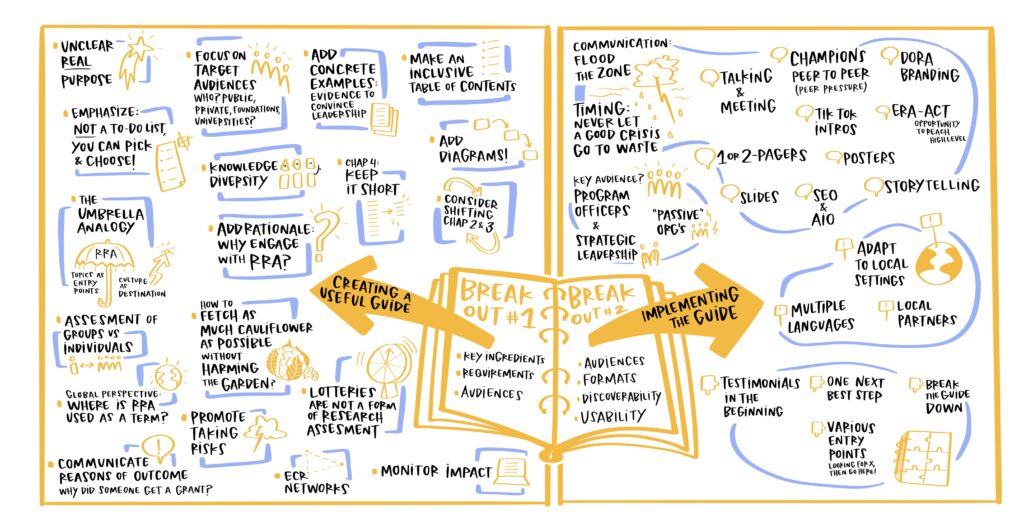
The two following breakout sessions focused on making the RFO Guide both practical and accessible for its intended audiences. Participants emphasized the need for clarity on who the Guide is for, stressing that it should be tailored to specific roles within funding agencies, such as program managers, leadership, evaluation staff, and communications teams. Participants requested even more hands-on examples that translate principles into actionable steps for daily work. Beyond defining audiences, participants also called for a stronger explanation of why Responsible Research Assessment matters, along with guidance on navigating trade-offs when organizations cannot implement everything at once.
Equally important was accessibility and usability. Recognizing time constraints, participants proposed concise “one-pagers” for high-priority audiences, complemented by the full Guide in an HTML format that can be segmented into easily navigable sections. To maximize global impact, translations and cultural adaptation were highlighted as essential, with examples showing how local language resources significantly boost engagement.
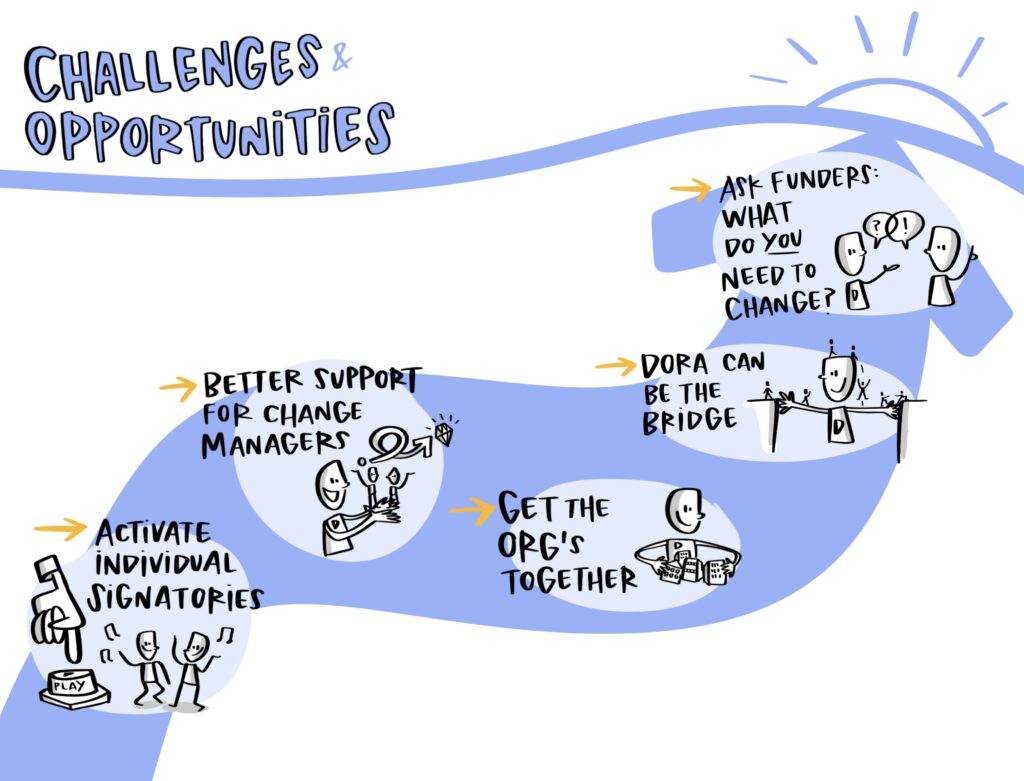
To end the day, we explored what else could DORA do to support the community in advancing research assessment reform. Challenges and opportunities were mapped, including engaging more actively the wide base of individual signatories, and the role DORA can play in bridging different communities.
The workshop concluded with a dynamic visual summary created by graphic facilitator Kirstine Kolling (Tusamotus). Throughout the day, she captured key themes and ideas in a large-scale illustration, which served as a vivid recollection of the discussions. Her final walkthrough highlighted recurring messages such as the need for ongoing dialogue and inclusivity, the importance of adapting processes to future needs, and the call for funders to act as role models and trendsetters in driving change.
The graphic also reflected practical suggestions raised during the breakout sessions—like creating one-pagers for key audiences, ensuring discoverability and usability, and emphasizing that the Guide should be short, practical, and adaptable to local contexts. Other memorable elements included metaphors like the “umbrella analogy”, reminders to communicate the rationale for reform, and the notion that publications tell only part of the research story, reinforcing the need for broader recognition of contributions.
The DORA team, GRC RRA WG, and Science Europe are now reflecting on all the suggestions and feedback provided during the co-creation workshop. The target release for the comprehensive RFO Guide is May 2026. Stay tuned!
Credits for the photography of the event to Peter Madsen. Graphic recording by Tusamotus.