
This blog post is co-published by DORA (Declaration on Research Assessment), FORCE11, the Coalition for Advancing Research Assessment (CoARA), and the European Federation of Academies of Sciences and Humanities (ALLEA).
“To Go Far, Go Together.” This guiding theme of the FORCE 2026 conference emphasizes the critical importance of partnership and cooperation across disciplines, technologies, and geopolitical boundaries. As technological disruption reshapes research practices and global political shifts influence knowledge exchange, our collective wisdom becomes more essential than ever.
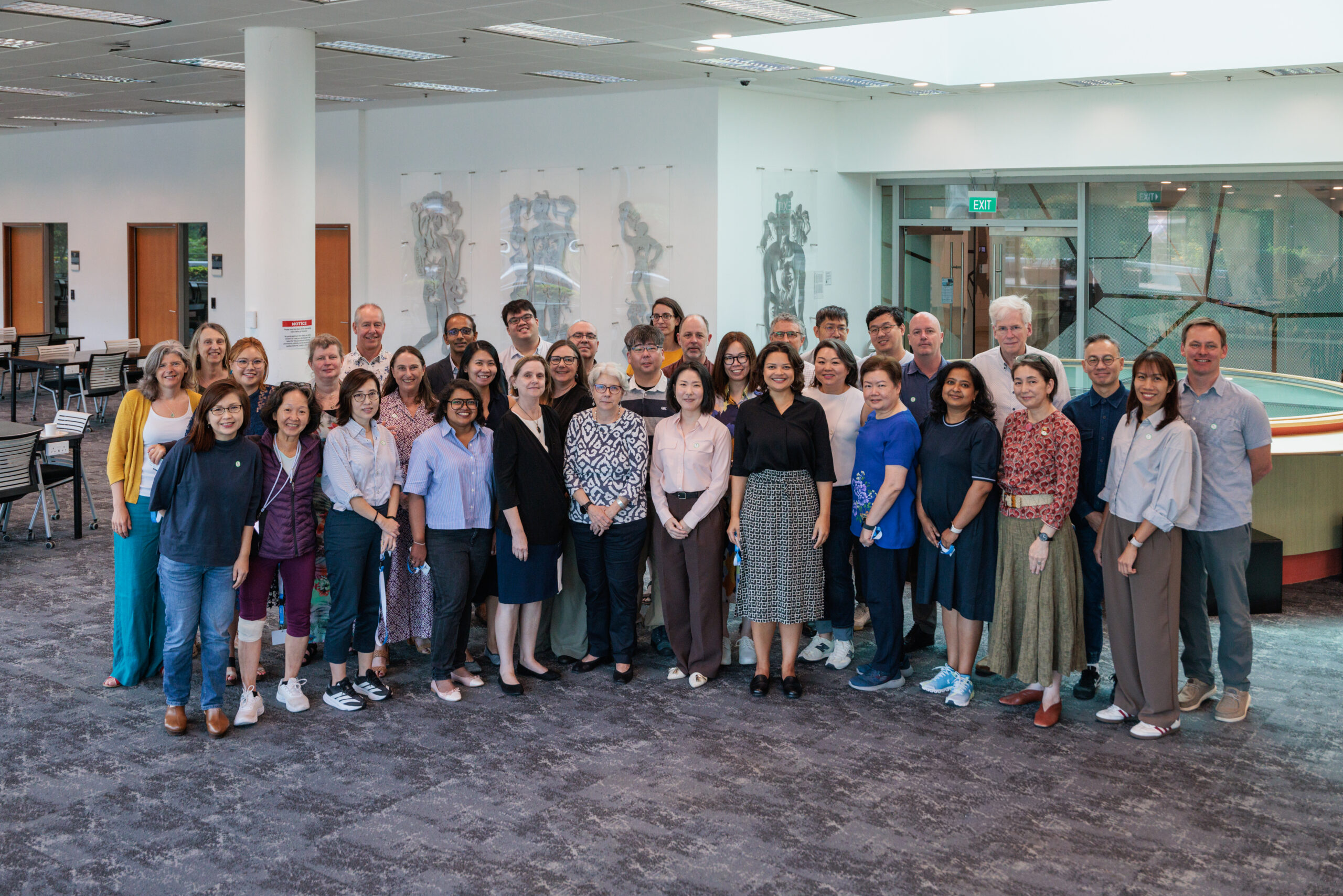
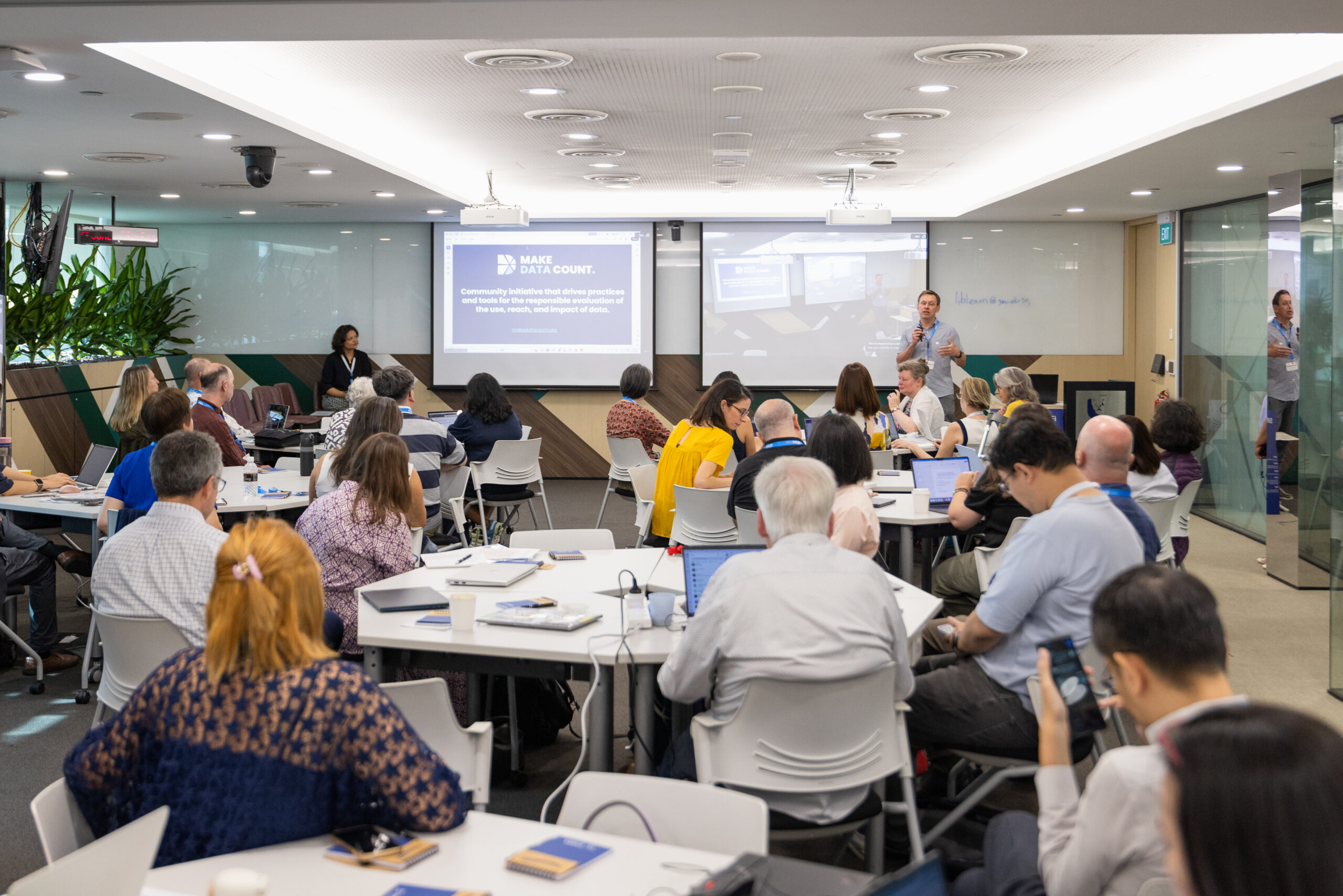
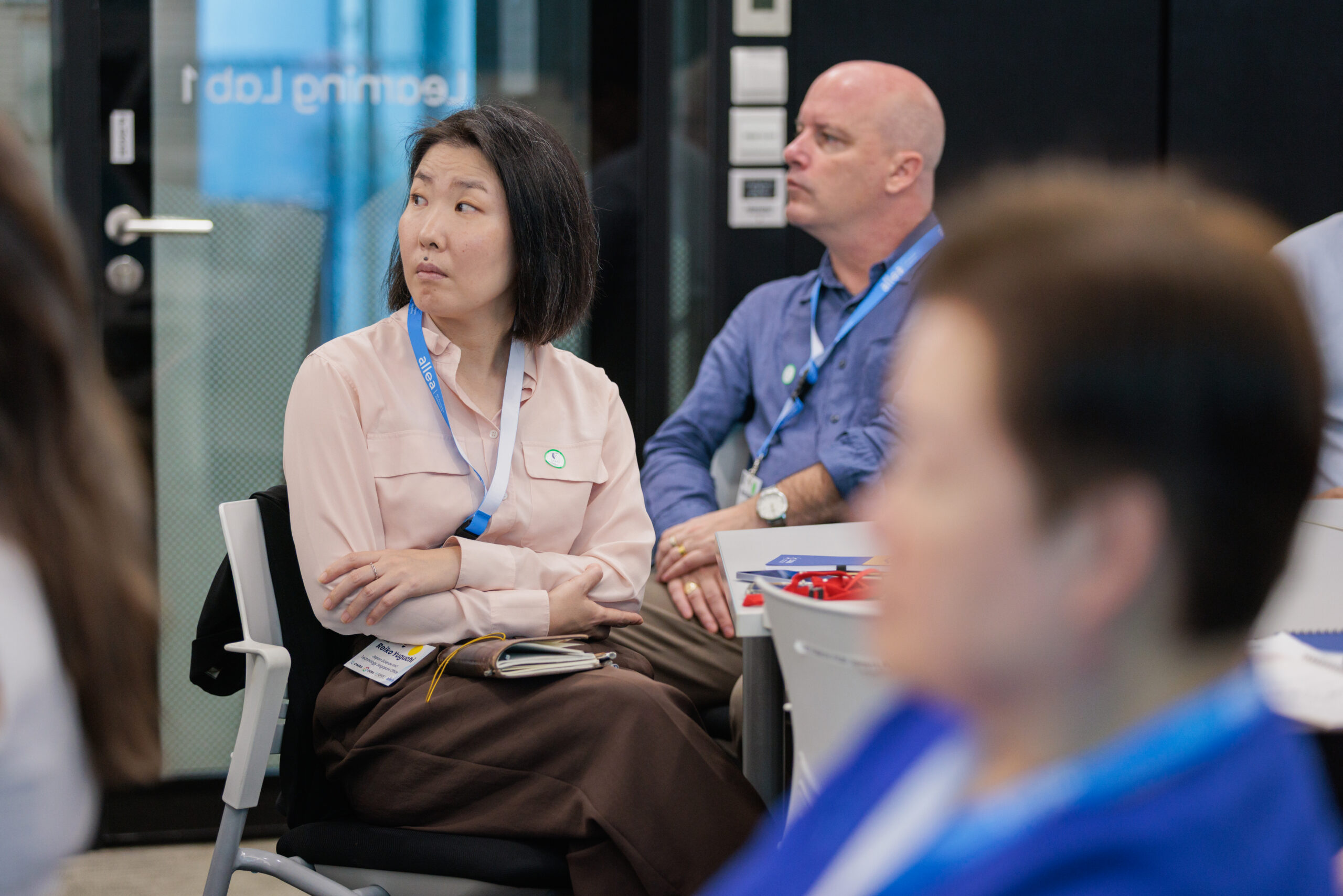
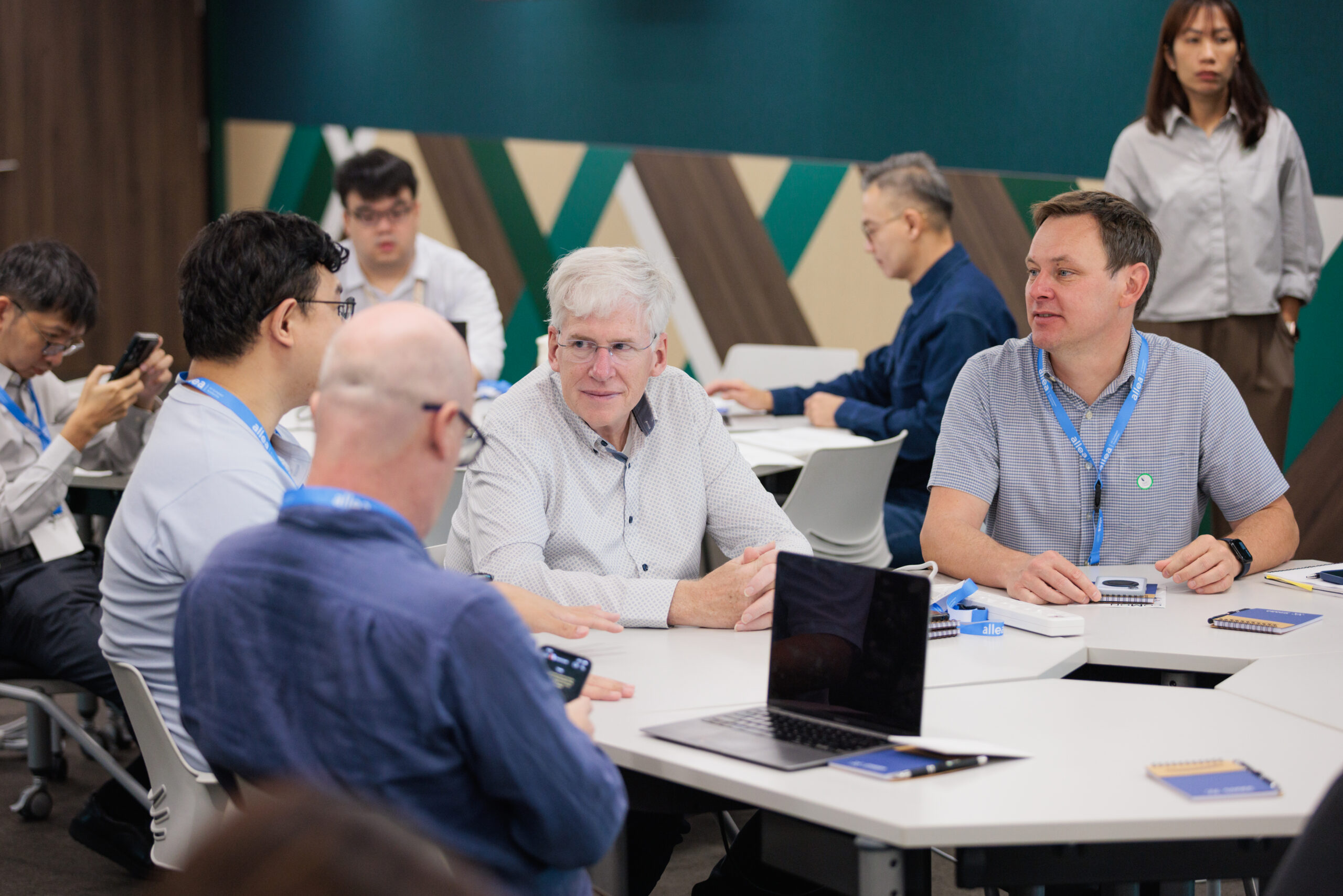
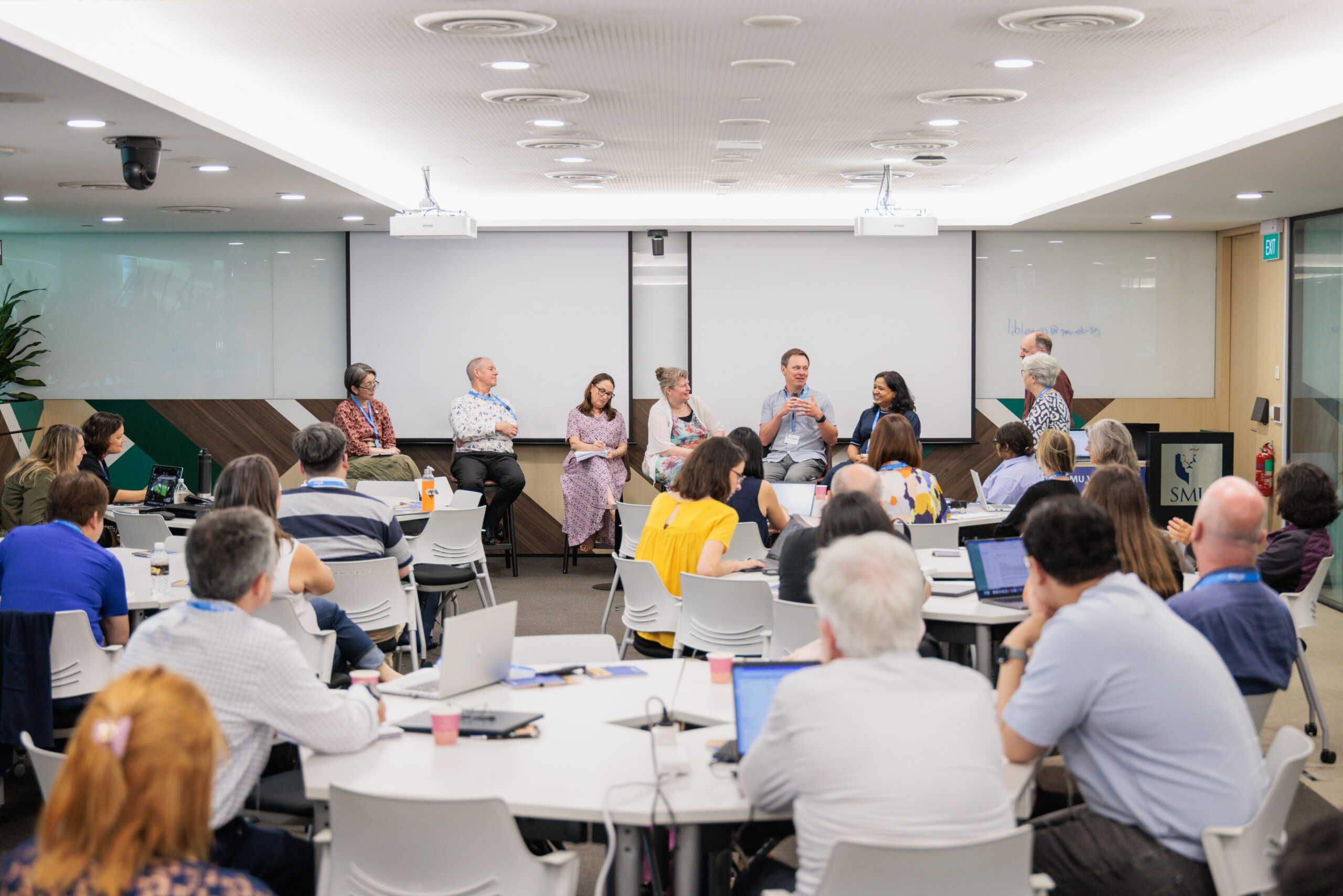
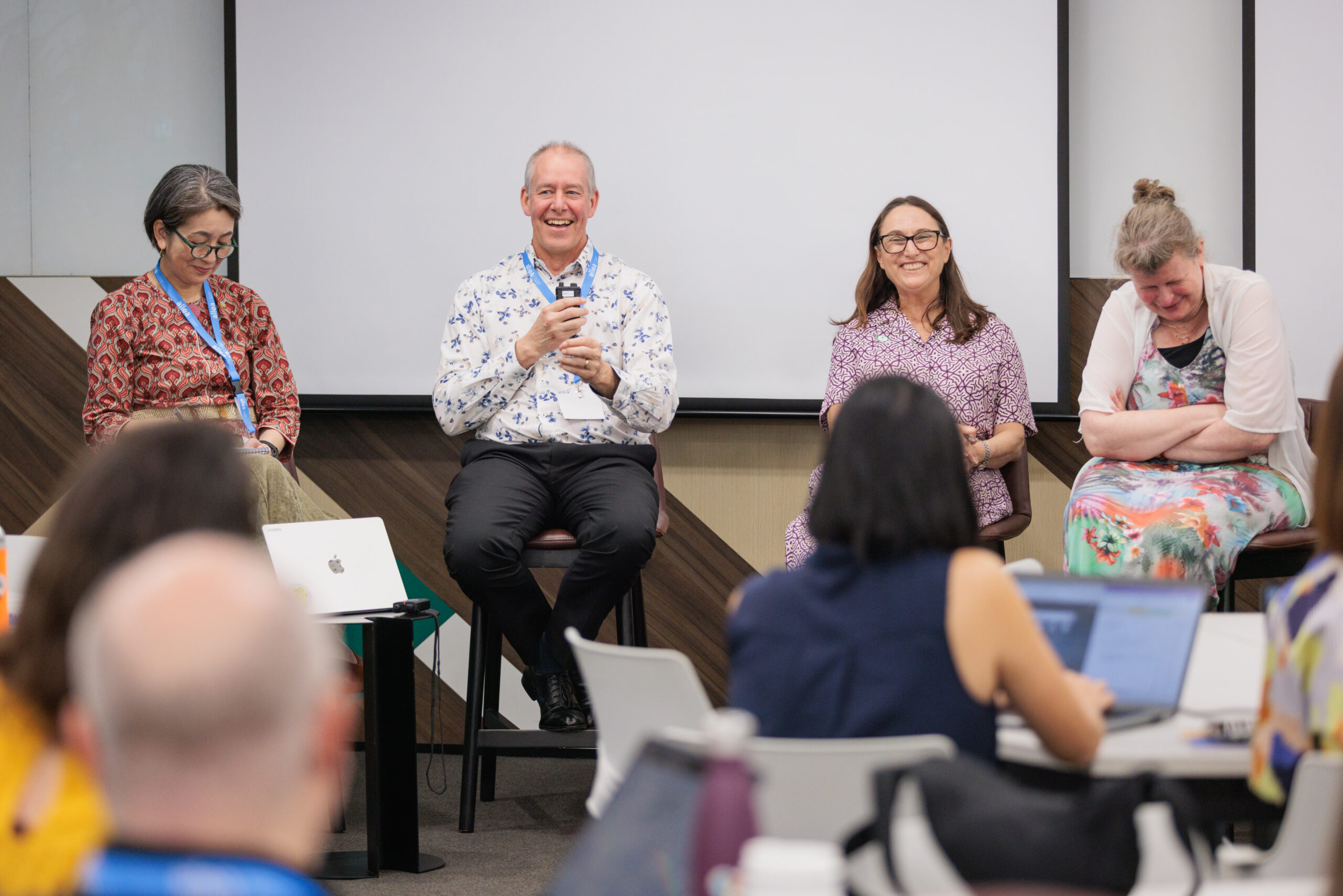
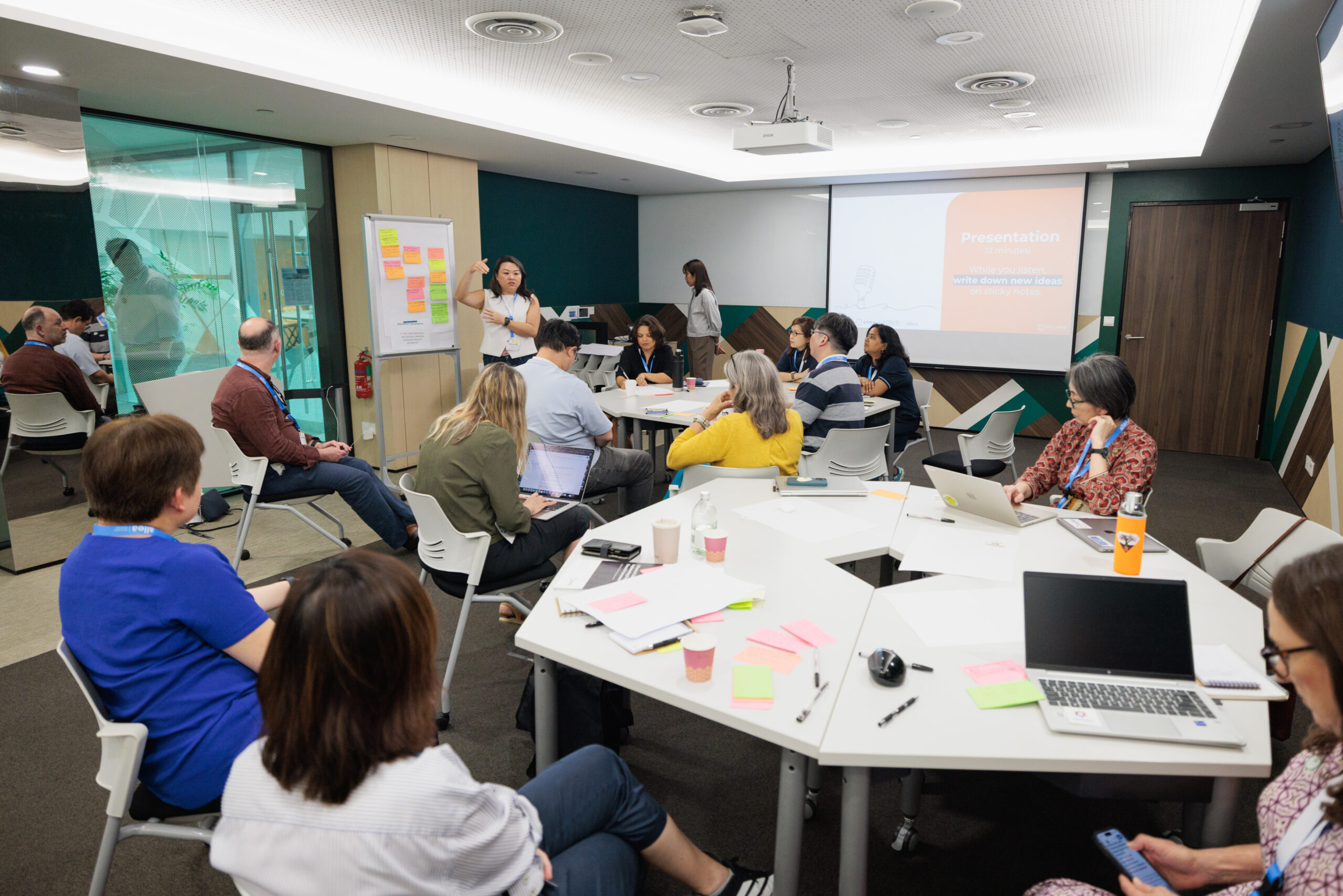
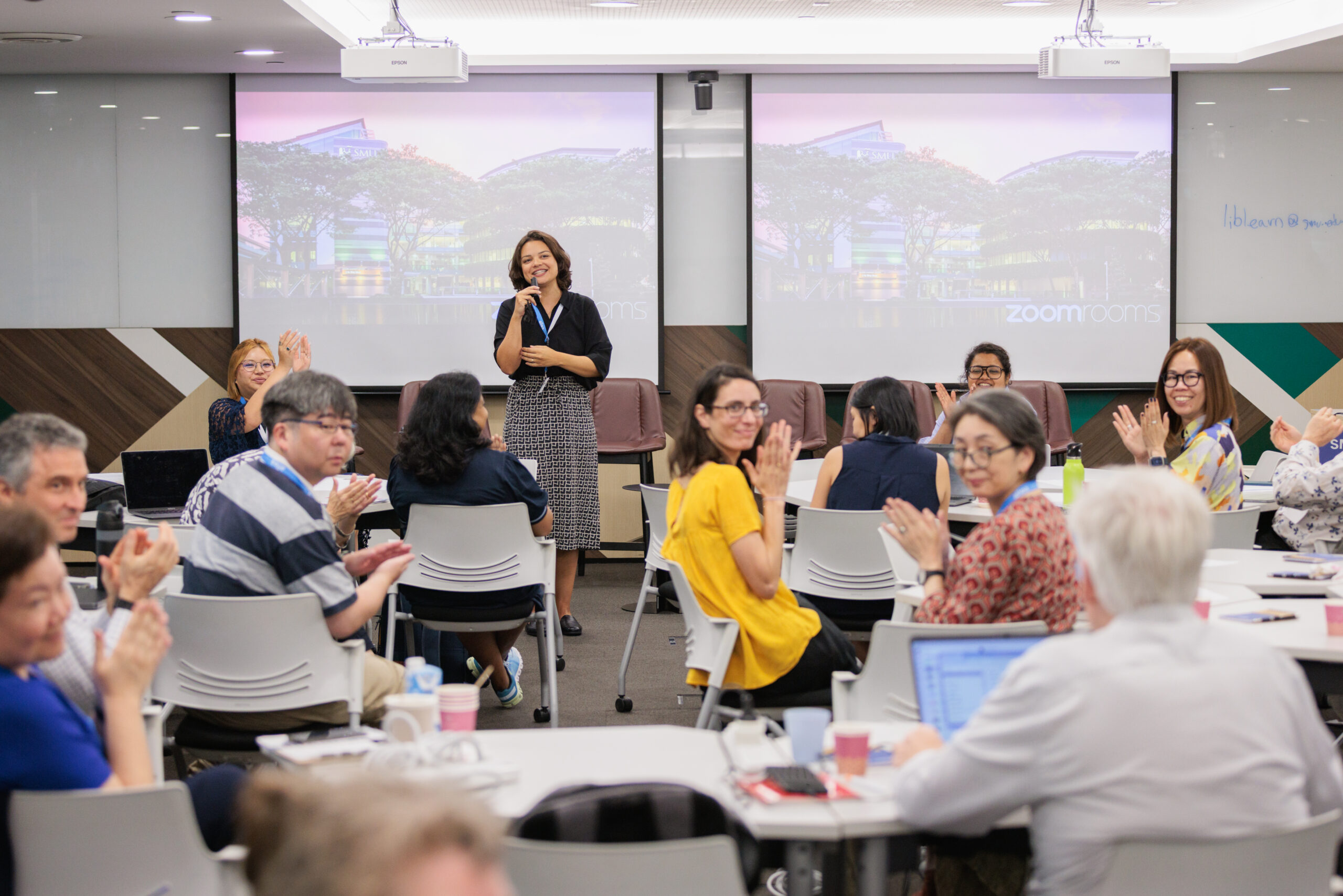
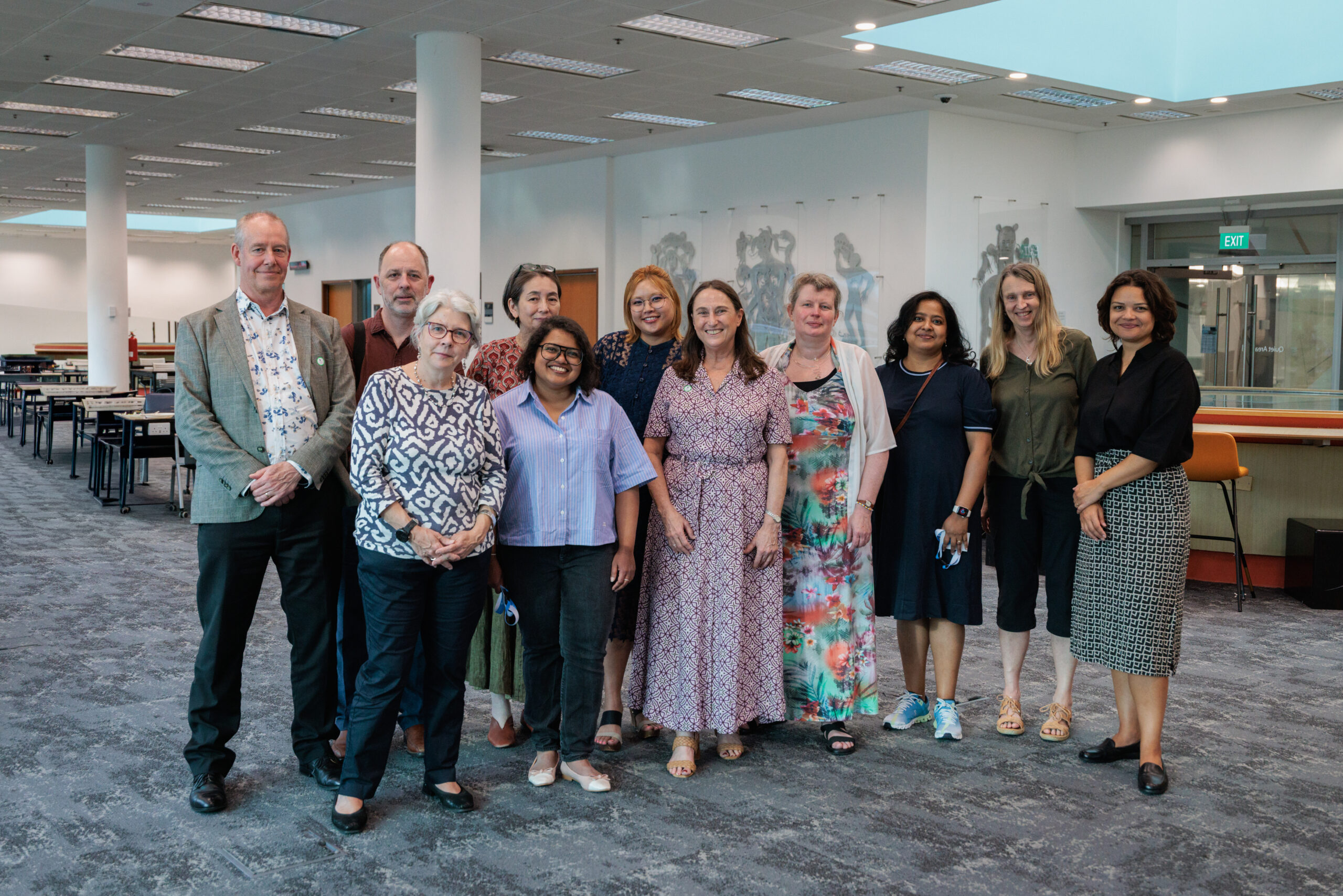
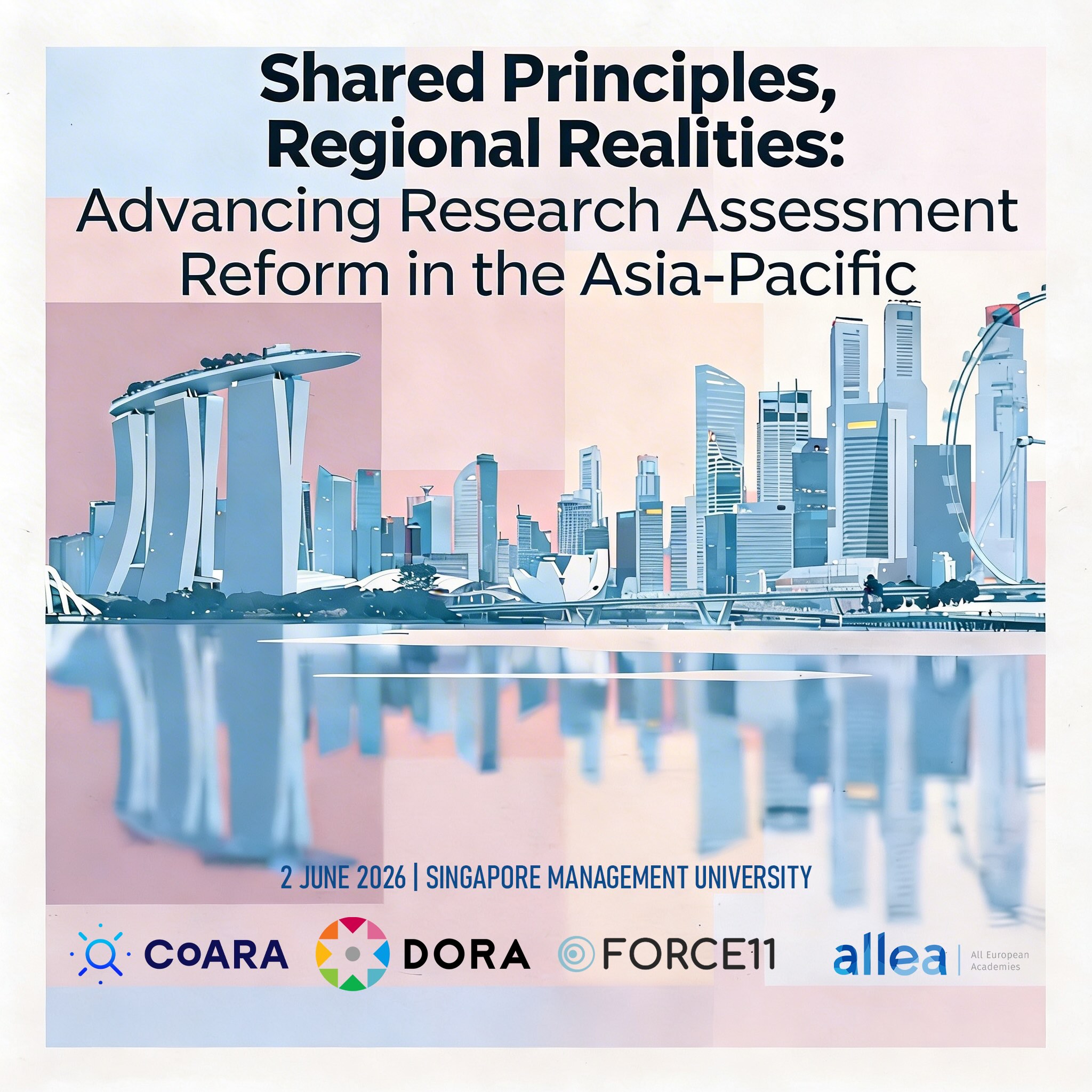
To embody this theme and harness this collective wisdom, DORA, FORCE11, CoARA, and ALLEA co-hosted a full-day workshop on June 2, 2026, at Singapore Management University, just ahead of the FORCE 2026 conference. The event, “Shared Principles, Regional Realities: Advancing Research Assessment Reform in the Asia-Pacific”, convened researchers, publishers, funders, and policymakers to take stock of the current landscape of research assessment reform and discuss pathways to more efficient, equitable, and impactful evaluation systems. By fostering dialogue across sectors and geographies, the event demonstrated how to go far in reform, together, while deeply respecting regional differences.
Global Movements, Shared Principles
The day began by bringing together the leaders of major global reform initiatives: CoARA, DORA, Make Data Count, the Barcelona Declaration on Open Research Information, and the Latin American Forum on Research Assessment (FOLEC-CLACSO). While these movements operate on a global scale, speakers continuously highlighted the need for contextual, localized implementation.
Cameron Neylon (CoARA Steering Board) set the stage by asking a fundamental question: “Why do we do research?”. He reminded the room that while motivations differ globally, we share an interest in doing things better.
“The goal of research evaluation reform is to make that process better, to deliver better opportunities for society. We’re all here with a focus on what it is we can do to support organizations to make change in the context they’re operating in.” – Cameron Neylon
Ginny Barbour (Co-Chair, DORA) expanded on the need for practical reform by highlighting how the misuse of quantitative metrics frequently occurs at critical career junctures, such as hiring, promotion, and funding decisions, and disproportionately disadvantages early-career researchers and scholars from marginalized groups.
Bianca Kramer (Executive Director, Barcelona Declaration) noted that equitable decision-making requires inclusive data, emphasizing that relying on closed, proprietary databases creates systemic biases. She emphasized that reforming research assessment is not something individual organizations should figure out alone.
“Collective action is essential to make sure that we don’t impose a European or North American perspective, but we really take into account the perspectives of other regions of the world” – Bianca Kramer
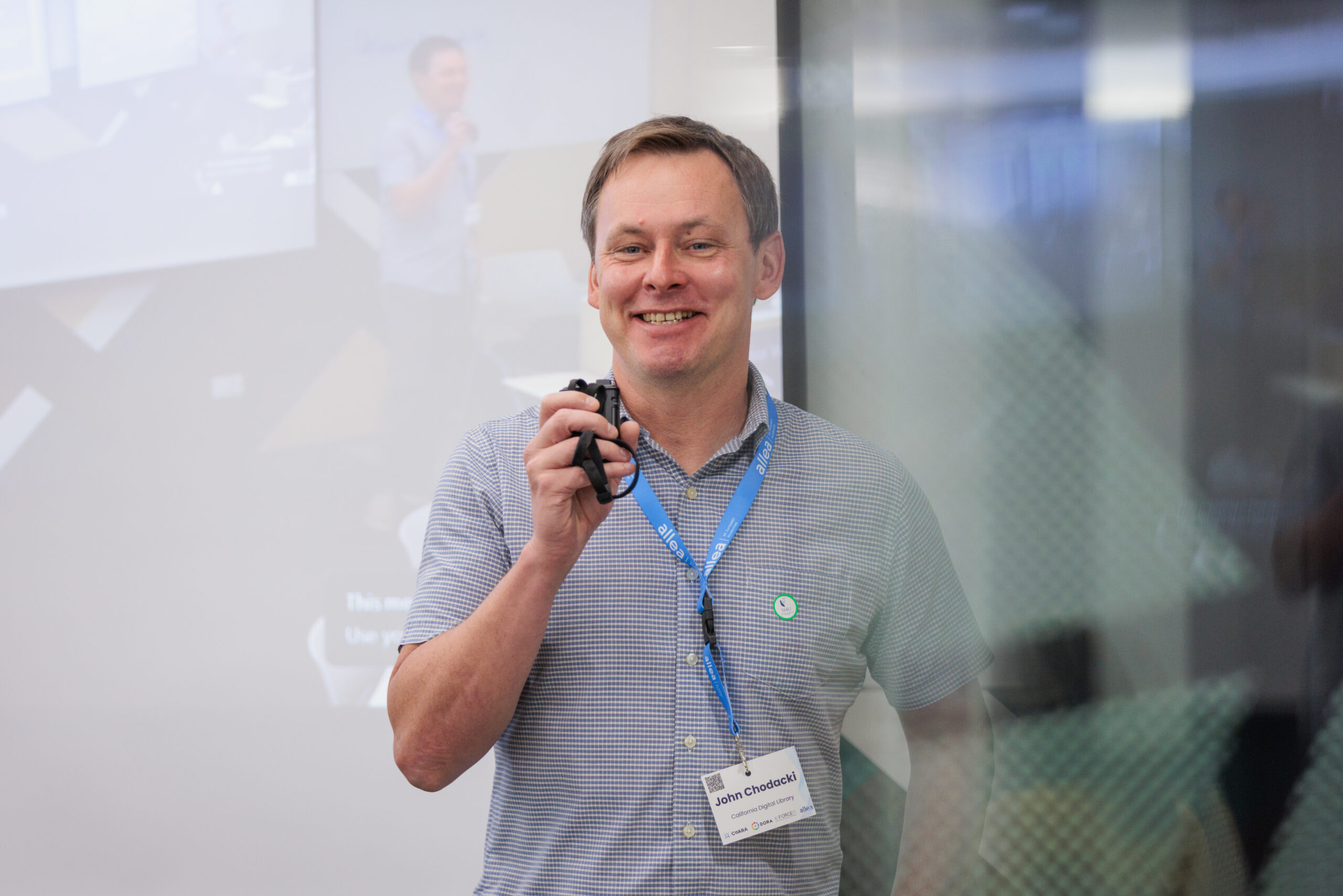
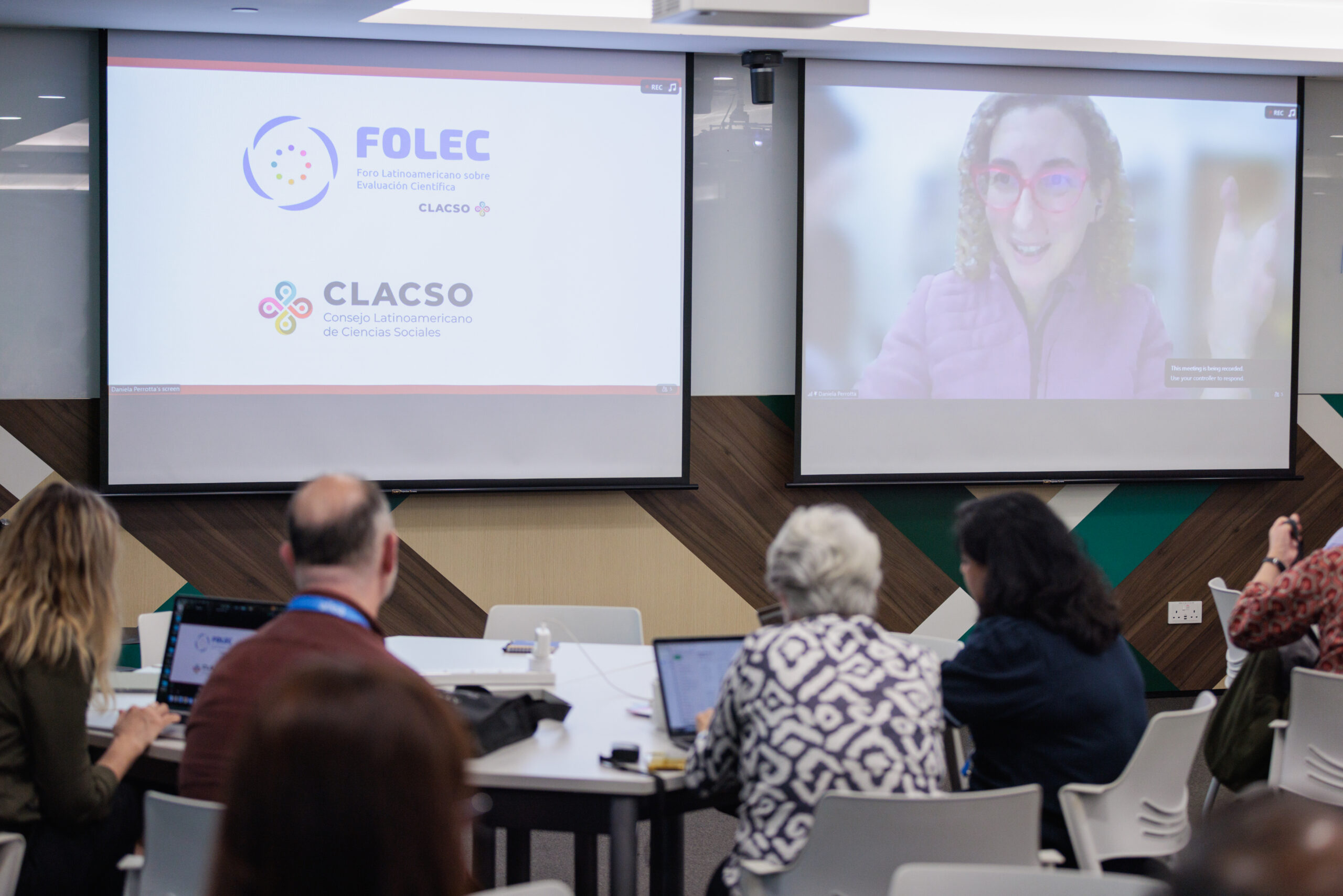
John Chodacki (Make Data Count) echoed this by highlighting the need to responsibly value research data and software as distinct outputs, expanding the definition of academic success beyond traditional publications. Daniela Perrotta (Coordinator, FOLEC-CLACSO), joining remotely from Argentina, underscored that research assessment reform and open science must advance hand-in-hand. Reflecting on Latin America’s long history of non-commercial knowledge infrastructures, she delivered a powerful message on agency:
“Open science and responsible assessment are mutually reinforcing. Open science cannot flourish if researchers continue to be rewarded primarily for publishing in a limited set of high-impact journals… I don’t think that because we are a smaller system within the world we don’t have agency power… we need to make this system, even if it is small for the world, work for us.” – Daniela Perrotta
Tales from the Frontline: Asia-Pacific Perspectives
The translation of global principles into local practice was brought to life in the “Tales from the Frontline” session, which featured case studies from Australia, New Zealand, and Japan.
Tina Cockburn (Queensland University of Technology) took us to Australia and outlined QUT’s phased, iterative approach to reimagining assessment, which involved establishing cross-institutional working groups and embracing non-traditional research outputs. She stressed the importance of tracking diversity in both outputs and personnel:
“It’s not only best articles, it’s the exemplars of non-traditional research outputs, getting that diversity and not just for research but also researchers and outputs.” – Tina Cockburn
From New Zealand, Alan Coulson (Ministry for Business, Innovation and Employment) shared how MBIE implemented narrative CVs to better assess Indigenous researchers and align with the Vision Mātauranga policy, which traditional academic CVs failed to accommodate. Reflecting on the realities of being a highly constrained funder, he reframed the ultimate goal of research assessment.
Yu Sasaki (Kyoto University) brought insights from Japan and presented the COMON framework, an institutional initiative shifting from centralized, metric-based control to a narrative-based, formative system built on dialogue at the research unit level. She highlighted the power of community in navigating this difficult cultural shift:
“This kind of platform provides the vital intellectual backbone and collective wisdom needed to ground our institutional reforms into evidence-based, actionable practices.” – Yu Sasaki
Navigating the Global and the Local
During the panel discussion that closed the morning sessions, speakers grappled with the tension between the push for global alignment and the reality of regional diversity. Moumita Koley (DST-Centre for Policy Research, India) joined previous speakers and provided a candid look at the challenges in India, where the research system has become deeply immersed in quantitative assessment, driven heavily by university rankings and journal impact factors. She articulated a vision for what success in assessment reform might ultimately look like:
“If we can make a change where our researchers can slow down, where they have time to think about a problem they want to solve… they don’t have that ‘I have to publish in this PDF kind of paper format’… I have a very holistic way to represent my research… that’s what I think success would look like.” – Moumita Koley
John Chodacki addressed the inherent friction in shifting from simple numerical evaluations to holistic narratives:
“We’re kind of trying to sell the story of nuance to people who want just cut and dry answers, and that’s where change comes in. Success would look like just a normalization of non-publications as part of hiring, tenure and promotion. It’s about reframing all outputs.” – John Chodacki
Diving Deeper: Interactive Breakout Sessions
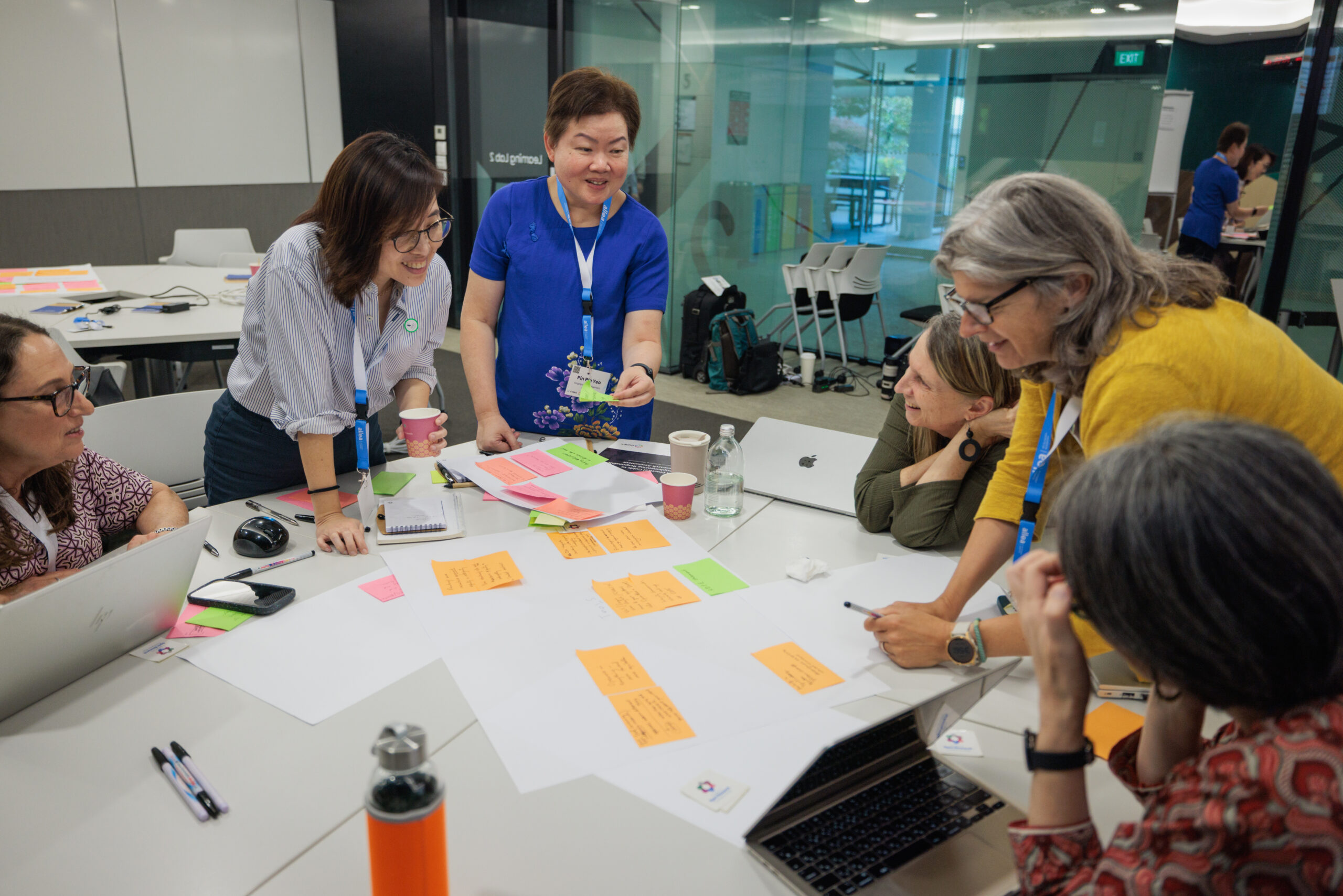
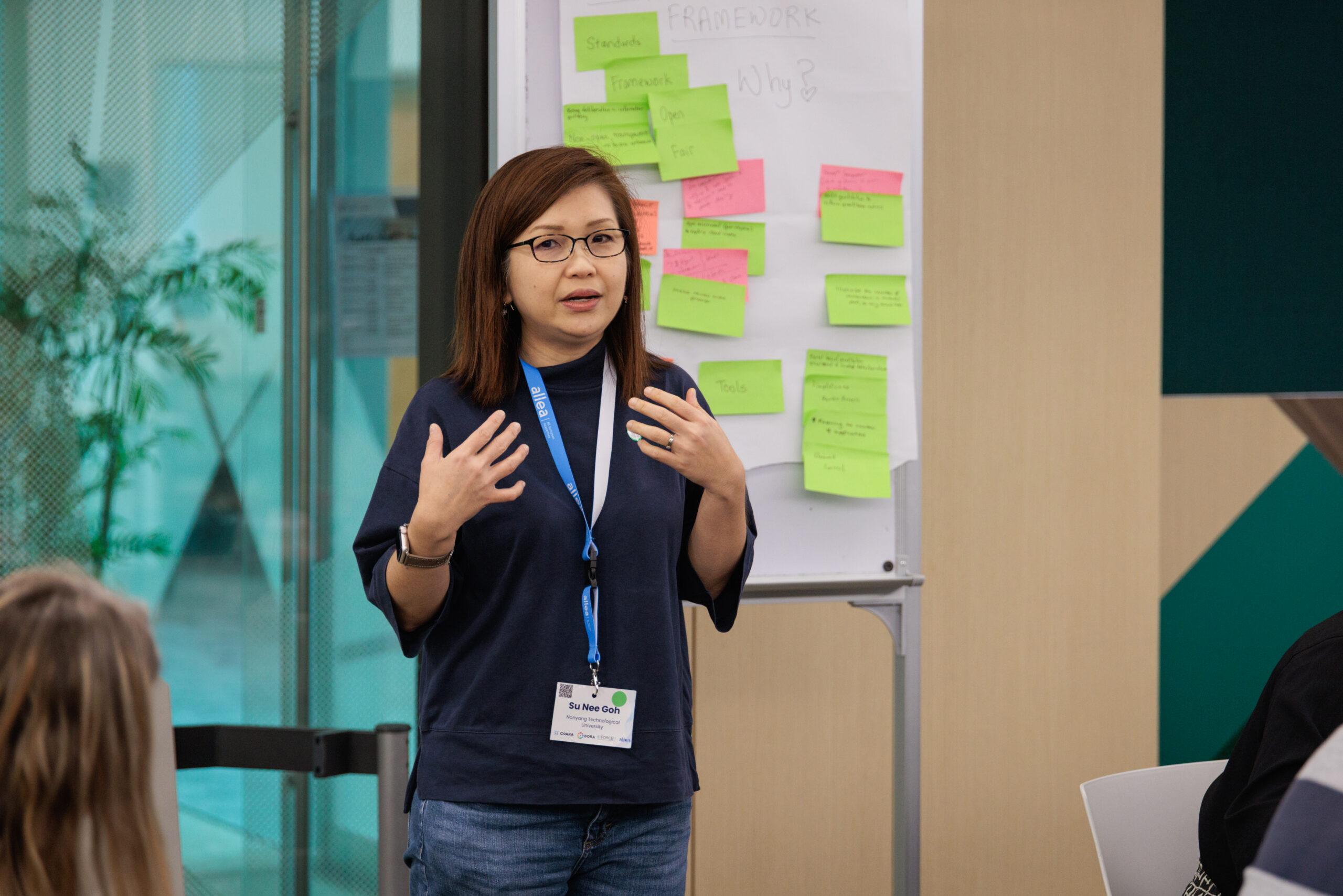
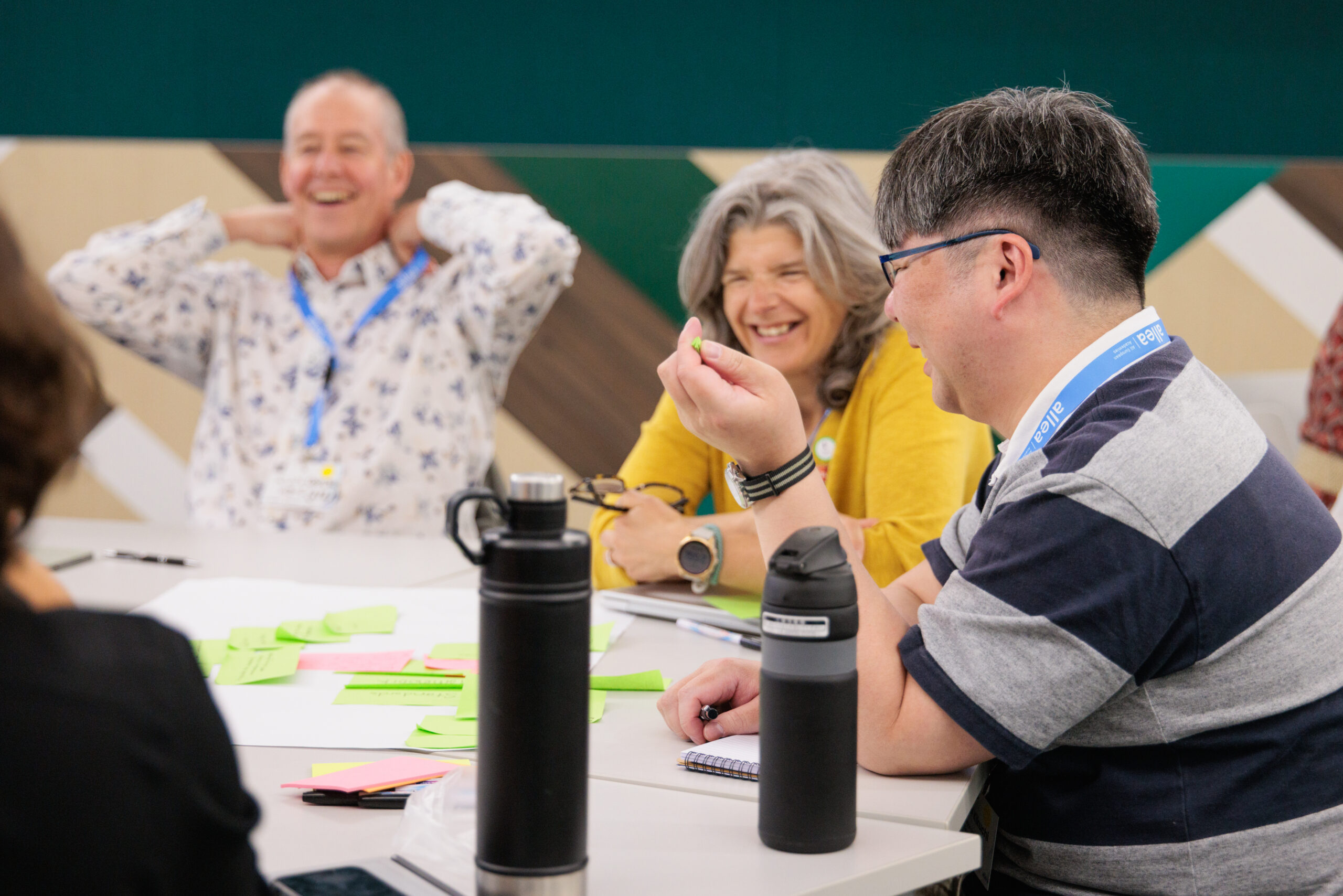
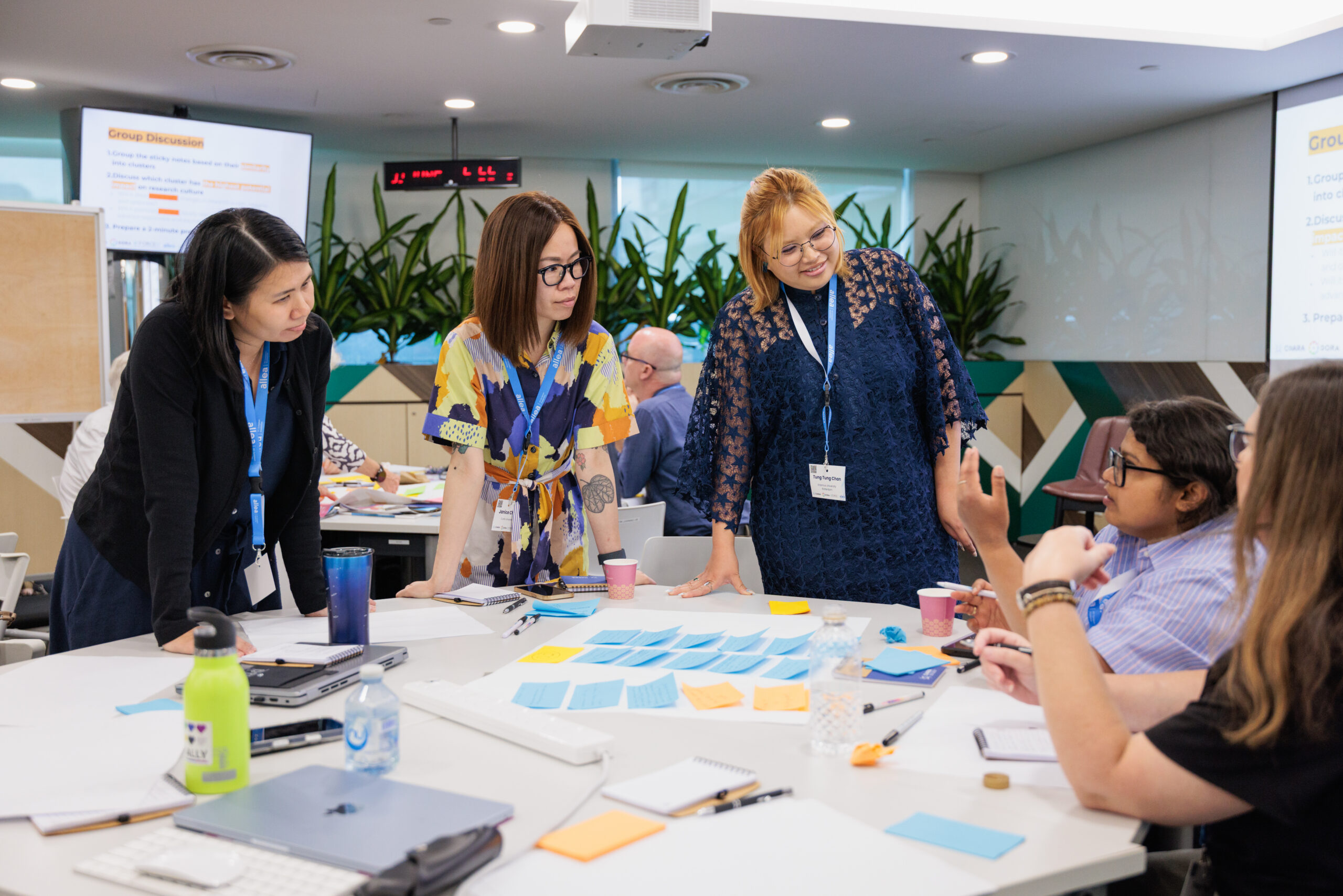
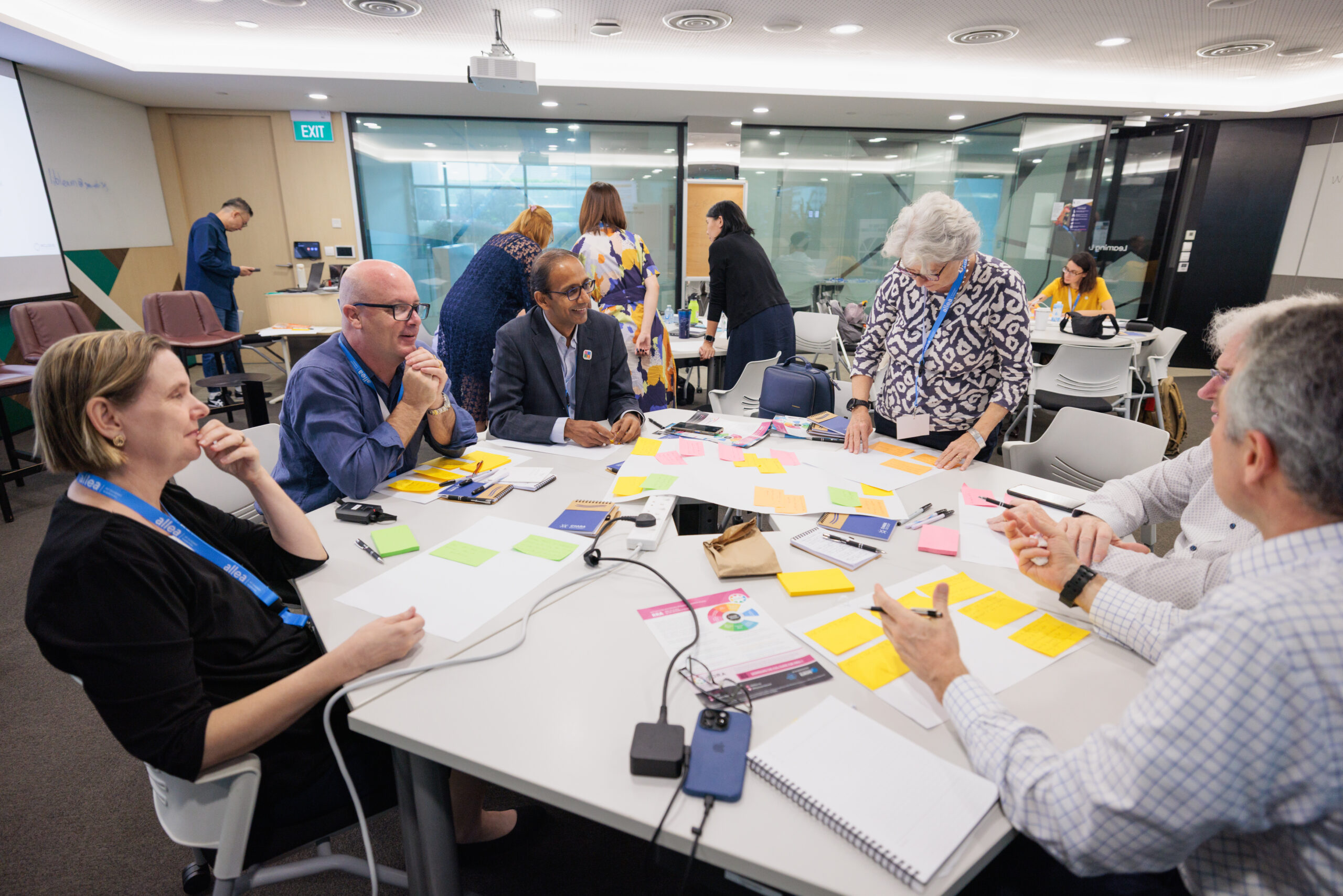
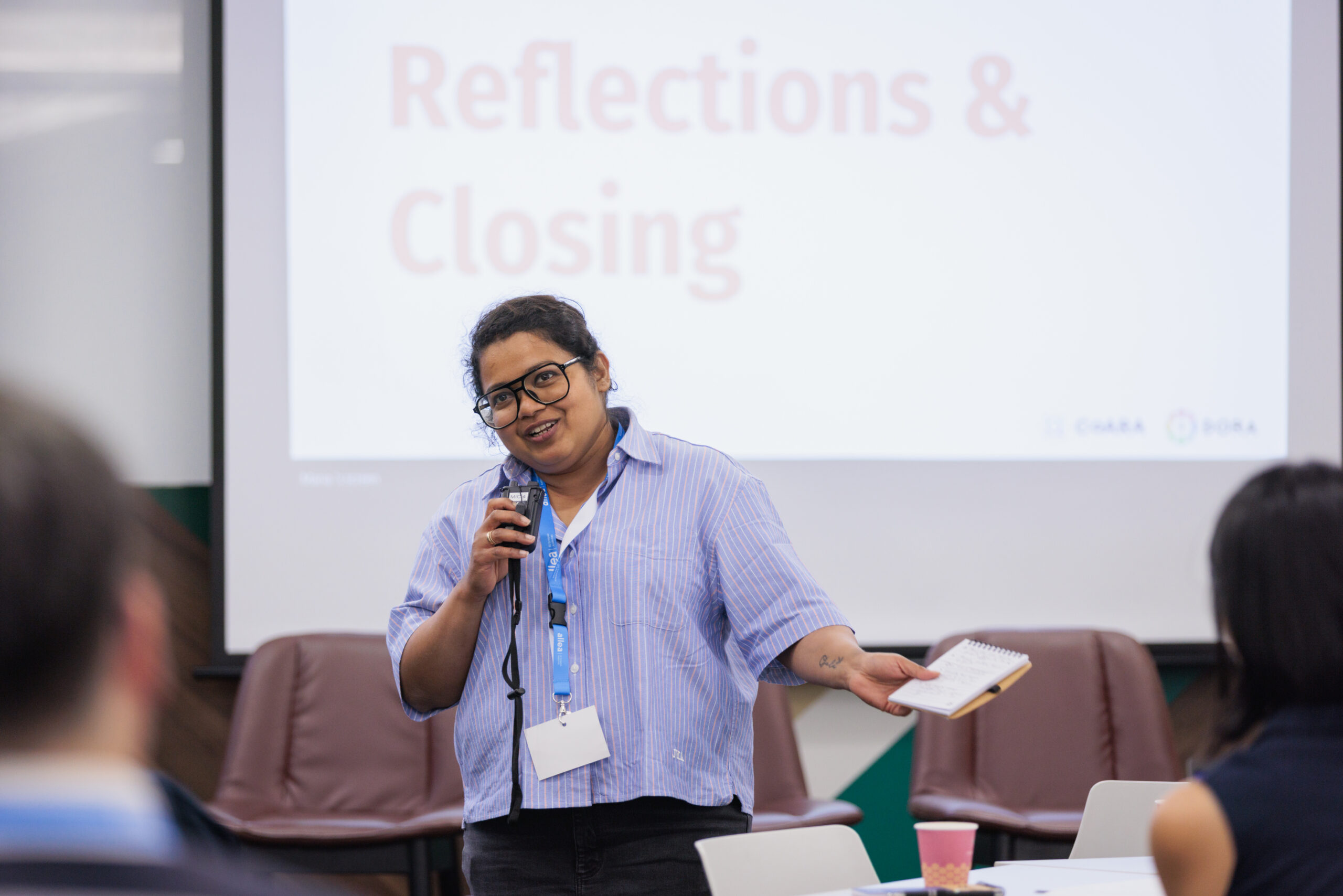
In the afternoon, participants broke into working groups to tackle some of the most pressing issues in assessment today. This interactive part of the day was facilitated by Sasitorn Srisawadi (Sasi) and Keng Kok Tee (Tee) from Inclusive Innovation. Each breakout discussion was sparked by a short impulse presentation to set the stage:
- Responsible Use of Quantitative Indicators: Giovanna Lima (DORA) introduced this topic by outlining key principles and guardrails—such as being clear, transparent, contextual, and fair—to ensure that metrics genuinely inform, rather than distort, research quality. Participants concluded that metrics should not be used to compare vastly different disciplines, nor should they be used to evaluate Indigenous knowledge, individuals with career breaks, or early-career researchers. Instead of reducing researchers to numbers, the group advocated for qualitative assessments guided by common, transparent, and fair frameworks.
- University Rankings: Moumita Koley (DST-Centre for Policy Research) gave an impulse presentation analyzing what global university rankings actually measure, noting that they often prioritize raw research productivity and can unintentionally drive problematic “publish or perish” strategies. While acknowledging that it may be impossible to completely eliminate university rankings, participants stressed that rankings must be firmly decoupled from the concept of “research excellence”. The discussion emphasized that institutions should focus instead on establishing good research practices, monitoring research misconduct, and managing assessment responsibly.
- Ethics of Generative AI: Francis P. Crawley (CoARA-ERIP) set the context for this discussion by warning that generative AI transforms the nature of authorship and creates an “illusion of efficacy” that threatens to override meaningful human understanding. Discussing the illusion of efficacy that AI provides, attendees stressed that the scientific process must be valued over the final written outcome. The consensus was clear: the human author is ultimately accountable, and strong foundational expertise is required before integrating AI into research workflows.
- Rewarding Open Science: Tung Tung Chan (Erasmus University Rotterdam) introduced the topic by exploring how to recognize diverse open science practices, highlighting efforts like transparent peer review, preprint feedback, and national open research information hubs like BROCCOLI. Discussions highlighted the need for both implicit and explicit incentives for open science. A provocative debate emerged around data sharing, emphasizing the mantra: “as open as possible, as secure as necessary”.
Looking Ahead: A Global Network of Networks
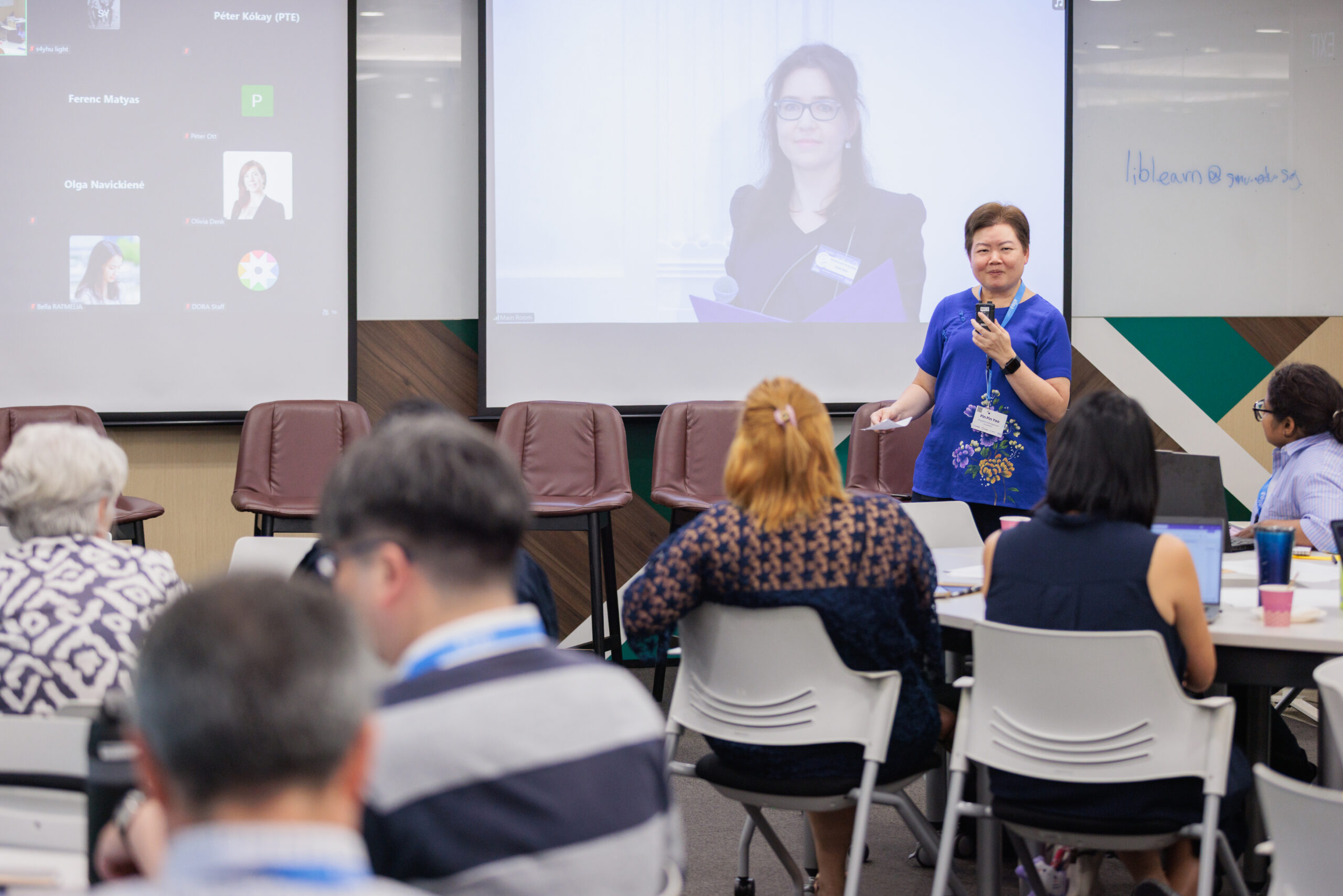
The day concluded with a live, cross-regional connection to the CoARA Regional Forum taking place simultaneously in Budapest, physically bridging the gap between the European and Asia-Pacific dialogues. Pin Pin Yeo, Head of Research Services at Singapore Management University Libraries, summarized the day’s insights from Singapore, engaging with colleagues Krisztina Szepesvári and James Morris on the Budapest side. The European forum, co-hosted by Science Europe and the HUN-REN Hungarian Research Network, was actively tackling its own core themes of linguistic diversity and the evolving concept of “research excellence”.
As the workshop wrapped up, the overarching sentiment was one of shared struggle, mutual learning, and optimism. By aligning our principles and respecting our regional realities, we can ensure that as we go far in reforming research assessment, we truly go together.
We extend our thanks to all the speakers, facilitators, and participants who were so generous with their time and energy throughout the day. A special thank you goes to FORCE11, Bella Ratmelia, Bryan Leow and the whole organizing team at Singapore Management University for generously hosting us. Ultimately, creating this kind of shared learning experience means that we leave with more relationships than we came in with, connections that will be crucial as we continue to tackle the complex questions of research assessment reform together.